
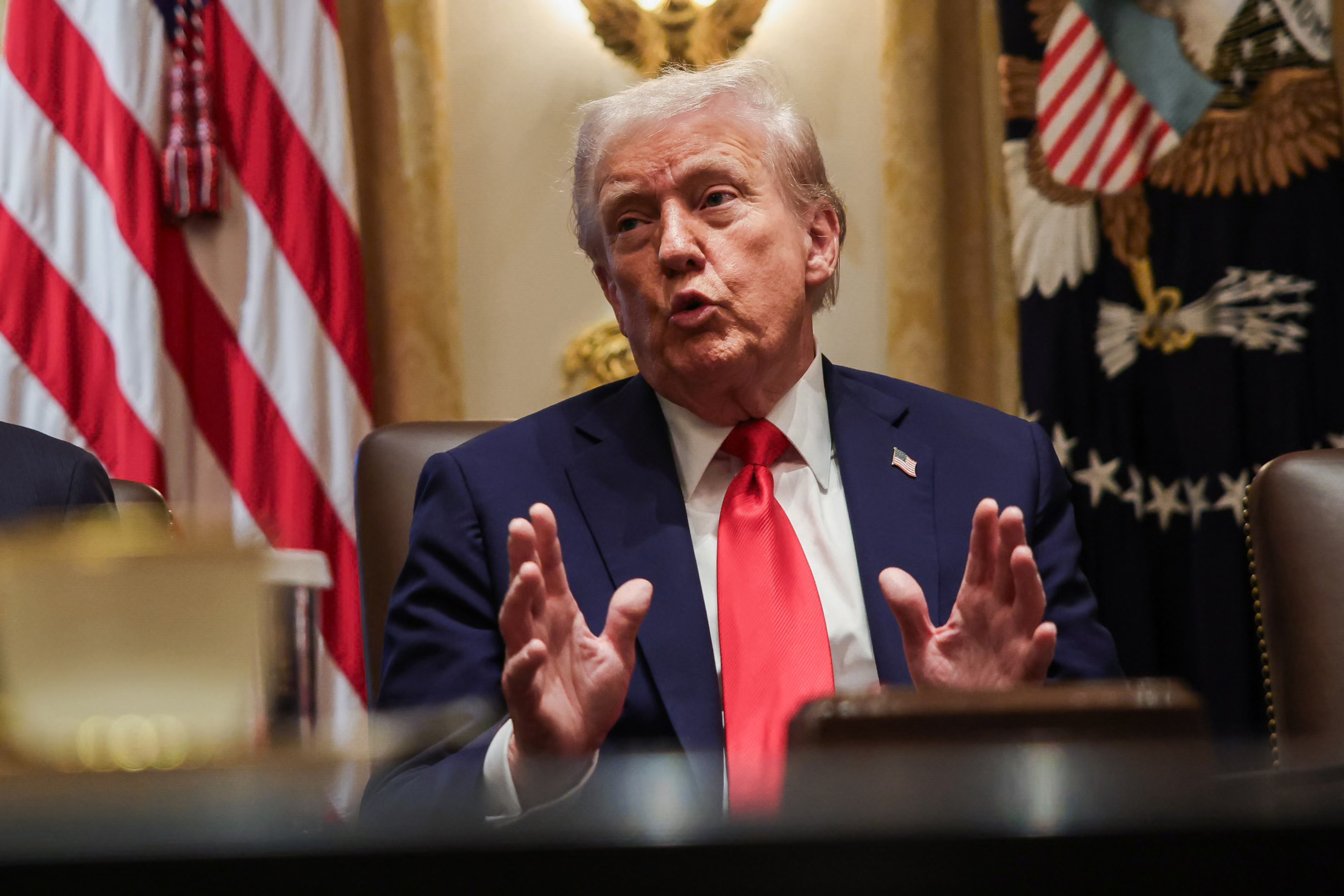
The agreement exposes a widening divide between Washington and European allies over fuel costs, sanctions and financial pressure on Moscow.
MARKET INSIDER — President Donald Trump called for Ukraine to replace President Volodymyr Zelenskyy on Saturday, escalating a dispute over a U.S. agreement to buy Russian diesel as high fuel prices become a political issue ahead of November’s midterm elections.
Trump blamed Ukrainian attacks on Russian energy infrastructure for pressure on American diesel costs. Kyiv and European allies countered that additional Russian export revenue would help finance Moscow’s war. For markets, the immediate question is whether the promised fuel can be delivered—and whether it adds meaningful supply rather than simply redirects existing shipments. (apnews.com)
Key Highlights
- Trump urged a change of Ukrainian leadership a day after announcing an agreement for Russian diesel supplies.
- Ukraine and European allies criticized the deal, arguing that energy revenue supports Russia’s military operations.
- The market impact depends on delivery volumes, timing and whether the shipments increase global diesel availability.
Fuel prices become a point of confrontation
Speaking before departing for a Republican rally in Tennessee on October 10, Trump accused Zelenskyy of failing to reach a settlement with Russia and hurting American farmers and ranchers through higher diesel costs.
His intervention followed weeks of pressure on Ukraine to halt attacks on Russian energy infrastructure.
Those attacks are one part of a wider supply problem. Disruption to Middle Eastern oil flows during the Iran war has also increased pressure on petroleum markets, making it misleading to attribute American diesel prices to a single country or military campaign.
Diesel is particularly important because it powers freight transport, agricultural machinery and industrial equipment. Higher prices can spread through food production and distribution costs even when households do not buy the fuel directly.
Trump’s agreement therefore links an immediate domestic economic concern with a major foreign-policy trade-off: seeking cheaper fuel while potentially increasing revenue for Russia.
Promised shipments are not delivered supply
Trump said Russia would provide more than 300,000 tons of diesel immediately, followed by 500,000 tons in November and another 1 million tons shortly afterward. He also announced a further 3 million tons within an unspecified short period.
Taken together, the announced stages amount to more than 4.8 million tons. However, the schedule leaves considerable uncertainty about when most of that volume would reach buyers.
The distinction matters for pricing. A supply announcement may change expectations quickly, but sustained relief requires cargoes to load, travel and reach distribution networks.
There is also a difference between additional production and redirected trade. If Russia sends diesel to the United States that would otherwise have gone elsewhere, American availability could improve without an equivalent increase in global supply.
The net effect would depend on how displaced customers replace those barrels and whether Russian refineries can raise output.
Kyiv and Europe warn of a sanctions setback
Zelenskyy criticized the agreement after Russian strikes killed at least 20 people in Ukraine’s Zaporizhzhia region on Saturday, including three children, according to Ukrainian officials.
He argued that extra export earnings would help Russia fund weapons production and recruitment, weakening the economic pressure intended to constrain its war effort.
European governments also expressed concern. Sweden emphasized the importance of energy revenue to Russia’s military financing, while Germany said it remained committed to sanctions and support for Ukraine.
The announcement creates uncertainty for businesses operating across jurisdictions. A U.S. policy change does not, by itself, explain how European counterparties, insurers or financial institutions would participate.
The supplied reporting also notes that Trump signed a sweeping Russia sanctions law the previous month. The legal mechanism, scope and implementation of the diesel arrangement consequently remain important details for commercial participants to establish.
Questions over Russia’s export capacity
Polish Foreign Minister Radoslaw Sikorski questioned whether Russia could supply the promised volumes, citing reports of domestic fuel shortages and damage to refining infrastructure.
Those concerns do not establish that deliveries are impossible. They do highlight why traders will look for operational evidence rather than rely exclusively on announced quantities.
Refinery damage, production losses and export availability are related but distinct. A damaged facility may continue operating at reduced capacity, while domestic consumption and inventories also influence how much fuel can be sold abroad.
Useful indicators will include confirmed cargo bookings, loadings, refinery operations and destination data.
What the agreement means for Asian markets
For Asian fuel buyers, the implications depend on whether the deal expands supply or changes its destination.
Additional diesel reaching the global market could ease pressure on import costs. Redirecting existing Russian cargoes toward the United States could instead require other buyers to compete for alternative supplies.
These are potential transmission channels, not confirmed outcomes. The broader direction of crude prices, Middle Eastern shipping conditions and regional refining capacity will remain important.
For Vietnam and other manufacturing economies, any sustained reduction in fuel costs could benefit transport and distribution businesses. But a political agreement alone is insufficient evidence that those savings will materialize.
What investors should watch
The first test is delivery: whether the initial cargoes move and whether later commitments acquire firm schedules.
The second is policy implementation, including the authorizations and restrictions governing transactions. The third is the response from European allies and Ukraine, where disagreement could complicate wider diplomatic negotiations.
Trump has presented Russian diesel as a response to American fuel costs. Whether it provides lasting relief will depend on physical supply—and whether the economic benefit outweighs the diplomatic consequences of easing pressure on Moscow.
