
Oil drops, stocks rally, and rate-cut odds double—but is Wall Street too optimistic?
MARKET INSIDER – A fragile ceasefire in the Middle East has done what months of economic data could not: it has abruptly reshaped global expectations for U.S. monetary policy. Within hours of a temporary truce between the U.S., Israel, and Iran, investors rushed to price in Federal Reserve rate cuts—triggering a sharp rally in equities and a plunge in oil prices that reverberated across global markets.
The shift underscores a critical reality for investors worldwide: geopolitics, not just inflation data or labor markets, is now driving the trajectory of interest rates. As tensions eased, markets rapidly recalibrated expectations, with the probability of a Fed rate cut by the end of 2026 jumping to over 30%, up from just 14% a day earlier, according to the CME FedWatch tool.
The immediate catalyst was a two-week ceasefire agreement reached just before a deadline set by Donald Trump, easing fears of prolonged disruption in the Strait of Hormuz—one of the world’s most critical النفط chokepoints. Oil prices fell sharply, removing a key inflationary pressure that had forced markets to adopt a more hawkish outlook in recent weeks. In response, Wall Street staged a relief rally, with investors betting that lower energy costs could give the Federal Reserve room to pivot back toward easing.
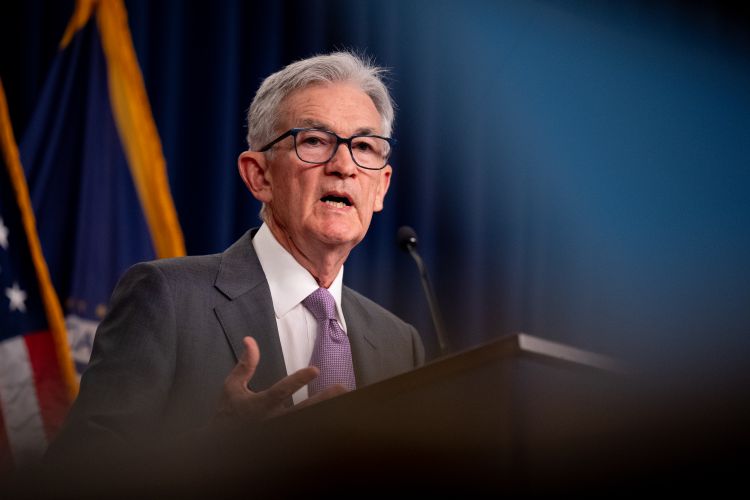
Analysts at Citigroup argue that if the de-escalation proves durable, markets could quickly price in a more aggressive rate-cut cycle, potentially totaling 75 basis points later this year. That view hinges on a delicate balance: stable inflation expectations and a cooling labor market. Fed Chair Jerome Powell has maintained that long-term inflation expectations remain anchored, even as short-term shocks complicate the outlook.
Yet not everyone is convinced the optimism is justified. Economists warn that the Fed is caught in a policy bind, where supply-side shocks—like war-driven oil spikes—limit its ability to respond effectively. Some, including market strategists, caution that the current rally may reflect a knee-jerk reaction rather than a durable shift in fundamentals. The ceasefire itself has already shown signs of fragility, with renewed disruptions in the Strait of Hormuz and ongoing regional tensions threatening to reverse recent gains.
For global investors, the stakes extend far beyond U.S. interest rates. Energy prices, inflation trajectories, and capital flows across emerging and developed markets are all tightly linked to Middle East stability. A sustained de-escalation could unlock a synchronized easing cycle across major central banks, while renewed conflict could just as quickly reignite inflation fears and derail risk assets.
The deeper question now is whether markets are pricing in peace—or simply hoping for it. If history is any guide, temporary ceasefires rarely resolve structural conflicts. That leaves investors navigating a market increasingly driven by geopolitical headlines, where the next move in oil—or interest rates—may depend less on economic models and more on events unfolding far from Wall Street.
