
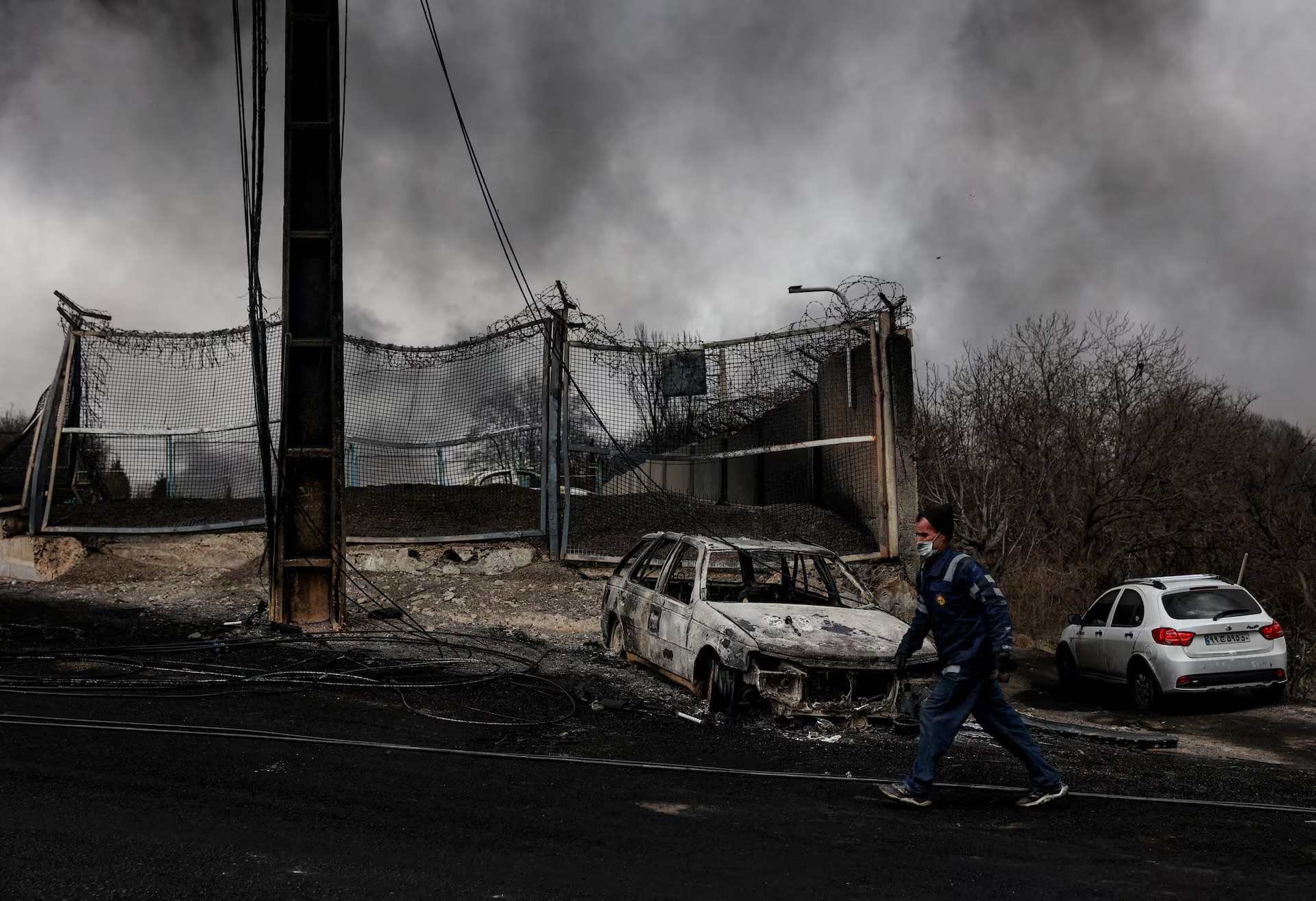
U.S President outlines five key goals met or nearly met; shifts Hormuz security burden to regional allies and users
MARKET INSIDER – President Donald Trump declared on Truth Social Friday, March 21, 2026, that the United States is “very close” to achieving its core military objectives in the ongoing war against Iran and is actively considering a wind-down of major U.S. efforts in the Middle East. In a detailed post, Trump enumerated five primary goals driving the campaign—most of which he indicated have been substantially degraded or eliminated—while emphasizing that the Strait of Hormuz policing should fall primarily to nations reliant on the waterway rather than the United States.
The president listed the achievements as follows:
- Completely degrading Iran’s missile capability, including launchers and related infrastructure.
- Destroying Iran’s defense industrial base.
- Eliminating its navy and air force, along with anti-aircraft weaponry.
- Ensuring Iran never approaches nuclear capability, with the U.S. maintaining rapid-response readiness to prevent any breakout.
- Providing the highest level of protection to Middle Eastern allies, including Israel, Saudi Arabia, Qatar, the United Arab Emirates, Bahrain, Kuwait, and others.
Trump stressed that once Iran’s military threat is “eradicated,” securing the Strait of Hormuz—an artery for roughly 20% of global crude and LNG—would become a straightforward operation for user nations. “The Hormuz Strait will have to be guarded and policed, as necessary, by other Nations who use it—The United States does not!” he wrote. He added that Washington would assist if requested but predicted such help would prove unnecessary post-conflict.
The statement arrives amid reports of additional U.S. Marine deployments to the region and fresh exchanges of strikes targeting energy infrastructure in Iran, Qatar, and Saudi Arabia. Oil prices remain elevated near $108 per barrel, reflecting persistent market concerns over prolonged disruptions despite earlier signals from Treasury Secretary Scott Bessent that sanctions on certain Iranian crude cargoes could be lifted to ease near-term supply pressure.
For global investors, energy markets, and geopolitical analysts, Trump’s post introduces a potential turning point: a calibrated exit strategy that claims decisive military success while avoiding long-term occupation or indefinite U.S. naval commitment in the Gulf. If the outlined objectives are indeed close to fulfillment—as the president asserts—the path could open to de-escalation, coalition-led Hormuz escorts, and a sharp correction in the oil-risk premium that has fueled inflation fears across Asia, Europe, and North America.
Yet the messaging also underscores strategic divergence: by framing Hormuz security as primarily the responsibility of dependent nations, Trump signals a desire to reduce America’s direct exposure while preserving leverage through rapid-response capability against any nuclear resurgence. The coming days will test whether this declared progress aligns with battlefield realities and diplomatic channels—or if continued Iranian resistance, ground-force escalations, or ally hesitancy prolongs the conflict and keeps energy volatility elevated.
The contrarian insight: should Trump’s wind-down timeline materialize without major reversals, 2026 could pivot from one of the sharpest oil-driven shocks in decades to a swift stabilization phase—potentially delivering outsized relief to equities, bonds, and consumer prices worldwide. Markets are watching every follow-up signal closely.
