
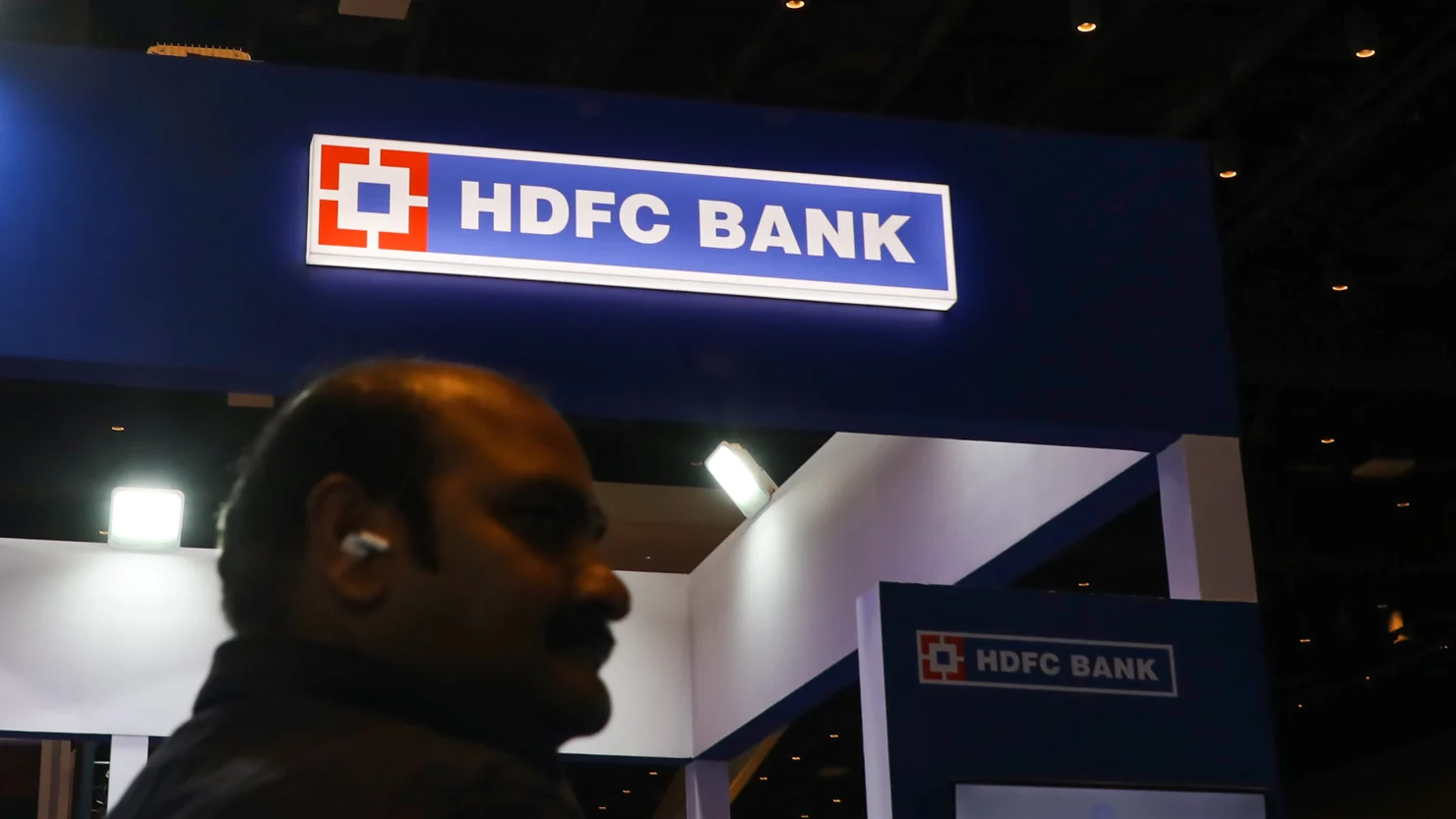
HDFC Bank and Axis Bank lose nearly 5% as shrinking lending margins raise fresh questions over India’s banking outlook.
MARKET INSIDER – India’s banking sector, long viewed as one of the country’s strongest investment stories, is facing renewed scrutiny after disappointing quarterly earnings from two of its largest private lenders triggered a sharp market sell-off. Shares of HDFC Bank and Axis Bank fell nearly 5% on Monday as investors reacted to weakening net interest margins, a closely watched measure of banking profitability that could signal mounting pressure across the financial sector.
The results arrive at a pivotal moment for India’s economy, where strong corporate credit demand has helped fuel growth even as consumer borrowing shows signs of slowing. For global investors tracking emerging markets, the performance of India’s banking leaders is increasingly viewed as a barometer of broader economic momentum, corporate investment, and the direction of interest rates.
HDFC Bank, India’s largest private-sector lender, reported that its net interest margin narrowed to 3.4% in the April–June quarter, down from 3.53% in the previous quarter. Axis Bank posted a similar trend, with its margin declining to 3.46%, a sequential contraction of 16 basis points. Analysts at Citigroup said shrinking margins, combined with softer fee income, are creating fresh earnings headwinds, warning that margin performance will remain one of the market’s most important indicators in the coming quarters.
Investor sentiment toward HDFC Bank has already been fragile following the March resignation of part-time Chairman Atanu Chakraborty, who cited governance and ethical concerns. Although an independent legal review commissioned by the bank later concluded there was no evidence supporting those allegations, the episode has kept governance firmly on investors’ radar. At the same time, Citigroup noted that while commercial and corporate lending has strengthened, retail loan growth remains subdued, highlighting an uneven recovery across borrowing segments.
Axis Bank is confronting a similar challenge. Brokerage Motilal Oswal attributed the bank’s weaker margins largely to loan repricing, while also pointing to stronger corporate lending offset by sluggish retail demand. Reflecting the softer outlook, the brokerage reduced its earnings forecasts for Axis Bank for both the current financial year ending March 2027 and the following year.
The latest earnings underscore a broader shift taking shape across India’s banking landscape. While businesses continue to borrow to fund expansion, consumer lending is losing momentum, squeezing profitability even as credit demand remains resilient. Whether India’s largest lenders can restore margins without sacrificing growth may become one of the defining investment stories for emerging markets over the next year—and a key test of whether India’s economic resilience can continue to outperform global expectations.
