
Tehran signals conditional openness while war intensifies, keeping oil markets and global risks on edge.
MARKET INSIDER – A potential diplomatic breakthrough in the Middle East remains elusive as Iran confirmed it is reviewing a U.S. proposal to end the war—but firmly ruled out direct negotiations with Washington. The mixed signals highlight a fragile moment where diplomacy and escalation are unfolding in parallel, with global markets reacting to every shift in tone.
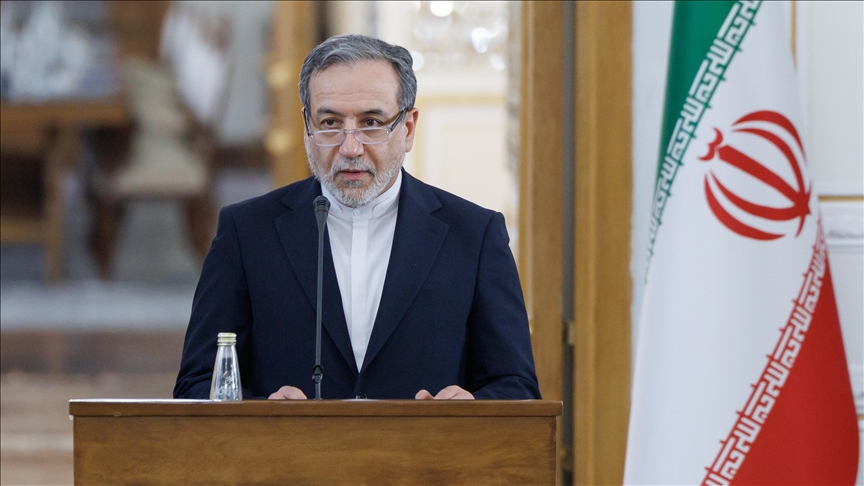
Speaking publicly, Iranian Foreign Minister Abbas Araghchi acknowledged that proposals have been conveyed through intermediaries, but stressed that message exchanges “do not mean negotiations.” The statement suggests Tehran is keeping its options open—willing to consider terms, but unwilling to engage directly unless its conditions are met.
Those conditions are already expanding. Regional sources indicate Iran wants any ceasefire framework to include Lebanon, signaling that Tehran is negotiating not just for itself, but for its broader regional influence. This complicates an already ambitious U.S. proposal that reportedly demands curbs on Iran’s nuclear program, missile capabilities, and support for allied groups.
Meanwhile, the military backdrop remains intense. U.S. and Israeli operations continue across Iranian territory, with officials claiming significant degradation of Iran’s military capacity. At the same time, Iran has maintained retaliatory strikes against Israel and regional partners, while signaling it could expand the conflict to new chokepoints such as the Bab al-Mandab Strait.
Markets are responding to the possibility—rather than the reality—of peace. Global equities have rebounded modestly, and oil prices have eased on hopes that negotiations could stabilize flows through the Strait of Hormuz, which carries about 20% of global energy supply. But the absence of formal talks and continued military escalation mean that risk premiums remain firmly embedded in energy markets.
The geopolitical stakes are rising. António Guterres warned that the world is “staring down the barrel of a wider war,” urging a shift from escalation to diplomacy. Yet with both sides maintaining hardline positions—and signaling readiness to intensify military action—the path to de-escalation remains uncertain.
For global investors and policymakers, the message is clear: the conflict has entered a phase where diplomacy is possible but not yet credible. Until negotiations move from indirect signals to formal engagement, markets will continue to trade on hope—while preparing for the risk that escalation may still dominate the outcome.
