
Doha negotiations could determine the future of Middle East stability, global oil prices, and investor sentiment.
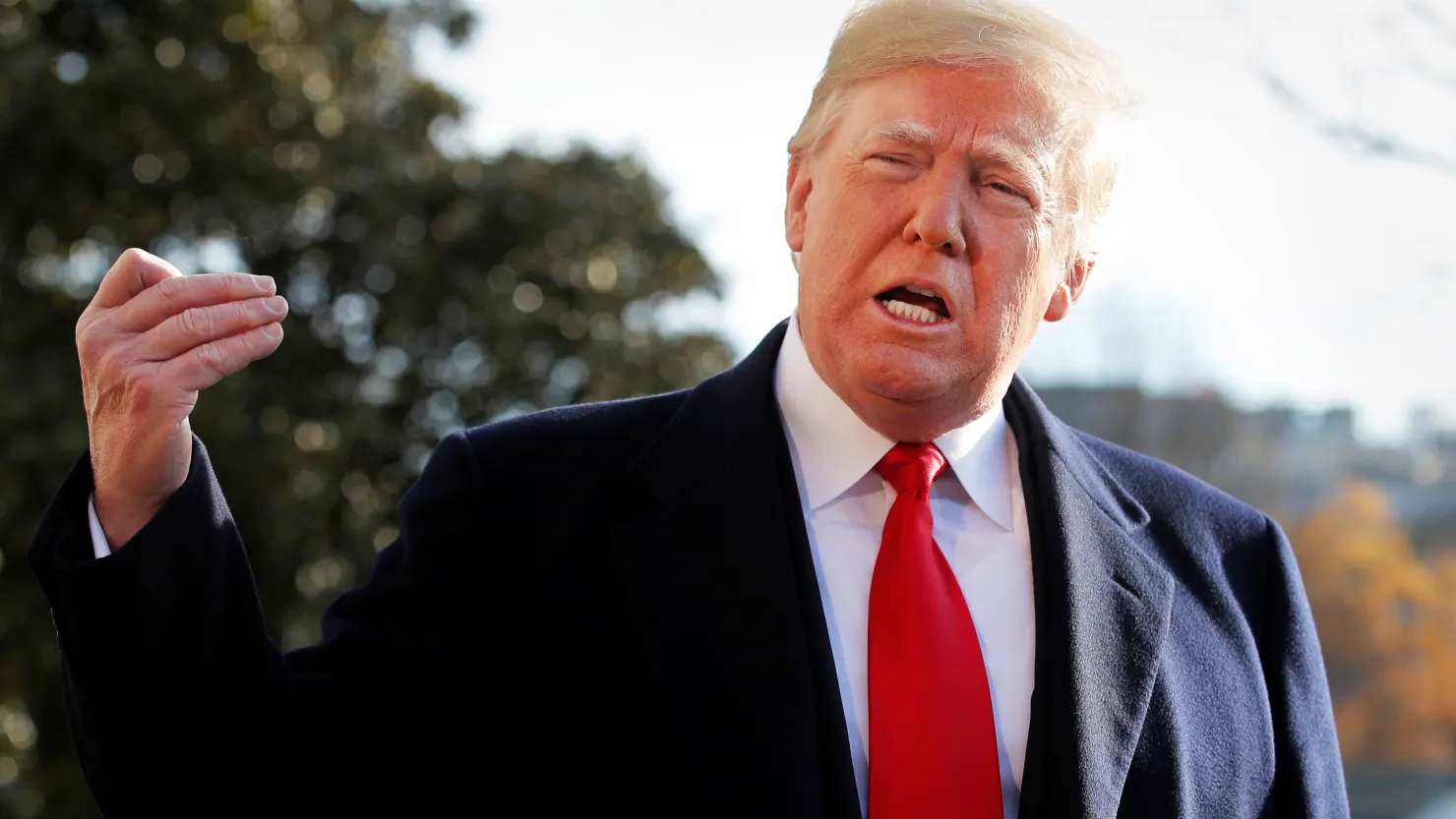
MARKET INSIDER – Global markets are once again turning their attention to the Middle East after U.S. President Donald Trump announced that American and Iranian officials will meet in Doha on Tuesday, raising hopes that a fragile ceasefire could evolve into a broader diplomatic breakthrough. For investors, the talks extend far beyond geopolitics—they could shape the outlook for oil prices, inflation, shipping routes, and central bank policy worldwide.
The announcement comes after a weekend of military escalation that briefly reignited fears of a wider regional conflict. While both Washington and Tehran have since signaled a willingness to pause hostilities, financial markets remain cautious, viewing the Qatar meeting as a critical test of whether diplomacy can replace military confrontation.
Trump revealed on Truth Social that Iran had requested the meeting, writing, “IRAN HAS REQUESTED A MEETING. IT WILL TAKE PLACE TOMORROW IN DOHA!” Tehran has yet to publicly confirm the talks, though senior U.S. officials are expected to brief Congress on the framework of an initial peace agreement. Secretary of State Marco Rubio and Special Envoy Steve Witkoff are reportedly leading diplomatic efforts, while White House Press Secretary Karoline Leavitt reiterated that the United States would honor the ceasefire but reserved the right to respond forcefully to any renewed aggression.
The diplomatic push follows days of direct military exchanges after U.S. strikes targeted Iranian military assets in response to attacks on commercial shipping. The confrontation threatened traffic through the Strait of Hormuz—the narrow waterway that carries roughly one-fifth of global oil supplies—and briefly reignited fears of a major energy shock. U.S. officials now say both sides have agreed to temporarily “stand down,” allowing commercial vessels to resume transit while technical negotiations continue.
The easing of tensions has already rippled through global commodity markets. Oil prices have retreated as traders unwind risk premiums that surged during the conflict, while Trump highlighted that U.S. crude has fallen back to levels seen before the latest escalation. A sustained diplomatic breakthrough could further reduce energy costs, easing inflationary pressure at a time when major central banks are weighing the pace of future interest-rate decisions.
The significance of Tuesday’s Doha meeting extends well beyond Washington and Tehran. A durable agreement would strengthen confidence across global financial markets, stabilize one of the world’s most important energy corridors, and reduce geopolitical risk that has repeatedly disrupted trade and investment over the past decade. However, with deep mistrust still defining U.S.-Iran relations, investors are likely to remain cautious until diplomatic commitments are backed by concrete actions. Whether this meeting marks the beginning of lasting de-escalation—or merely another pause before renewed confrontation—could become one of the defining geopolitical stories for global markets in the second half of 2026.
