
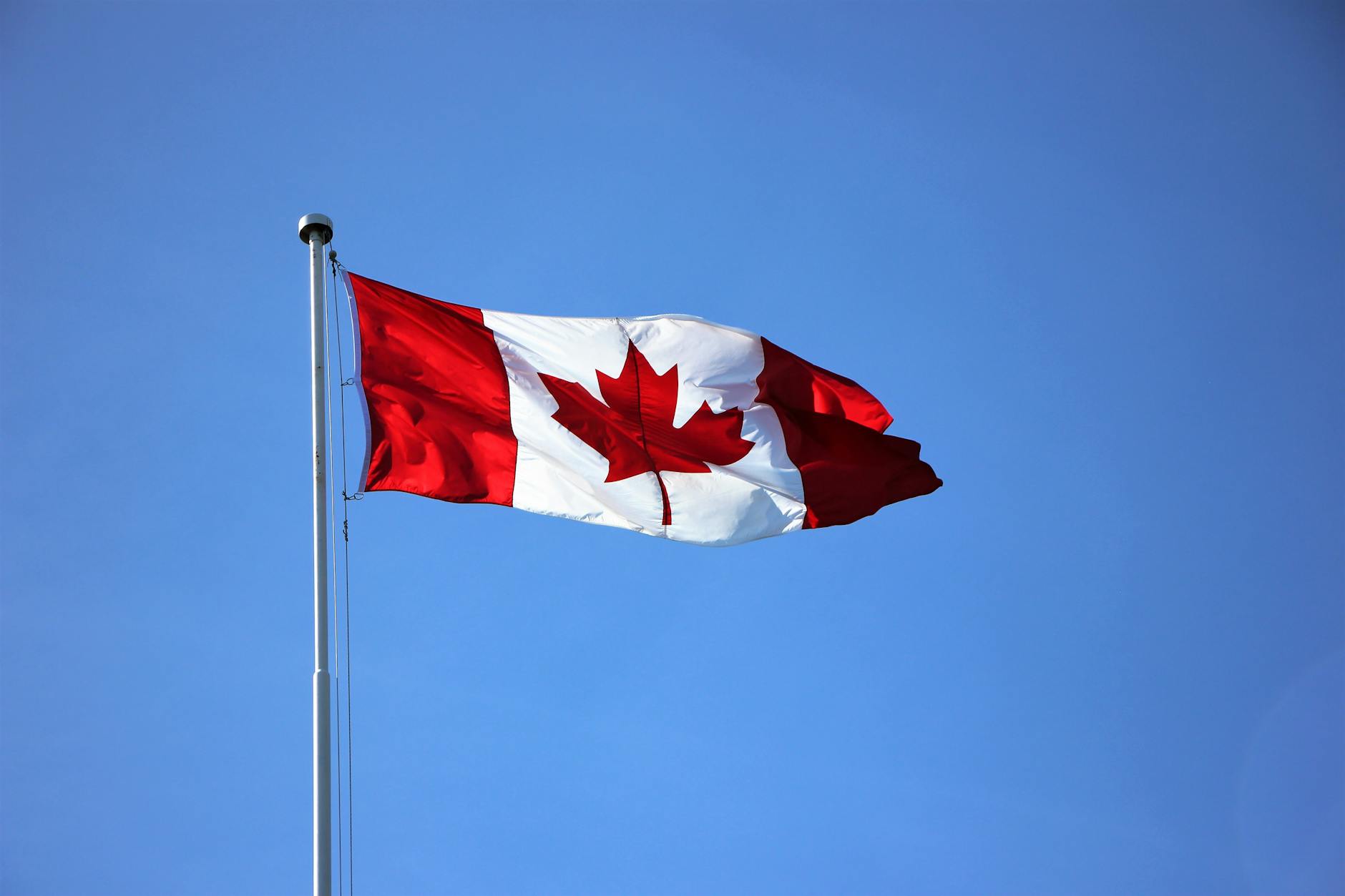
MARKET INSDIER – The fragile trade relationship between the United States and Canada has once again deteriorated, following US President Donald Trump’s announcement on Saturday that he is imposing an extra 10% tariff on imports from Canada. This move, which comes on top of existing duties, is a direct, politically charged retaliation for a television advertisement featuring former President Ronald Reagan criticizing tariffs, which Trump deemed “fraudulent” and a “hostile act.”
The escalation was triggered by an advertisement, funded by the Canadian provincial government of Ontario, which aired during the World Series. The ad used clips from a 1987 Reagan radio address where the former President warned that “High tariffs inevitably lead to retaliation by foreign countries and the triggering of fierce trade wars.” While the audio of Reagan’s anti-tariff sentiment is accurate, the Reagan Presidential Foundation criticized the commercial for using “selective audio and video” and misrepresenting the full context of the speech, which discussed imposing tariffs on Japanese products for unfair trade practices.
President Trump, in a post on Truth Social, cited the ad’s broadcast—despite Ontario Premier Doug Ford having announced on Friday that the campaign would be paused starting Monday—as justification for the new tariff hike. This suggests that the emotional and political aspects of trade policy continue to override conventional diplomatic channels, injecting a new element of unpredictability into North American trade.
For international investors and market observers, this development underscores the persistent regulatory and commercial uncertainty clouding US-Canada trade. Already, Canadian goods are subject to substantial duties, including a 35% general tariff, with steel and aluminum facing a 50% rate, excluding products under the US-Mexico-Canada Agreement (USMCA). The new 10% hike introduces another layer of costs for businesses operating across the border, potentially slowing economic activity in both nations by increasing import prices, reducing profit margins, and disrupting established supply chains.
The timing of this tariff increase is particularly noteworthy as it precedes an upcoming US Supreme Court case next month that will address the legality of the President’s expansive power to impose sweeping tariffs without Congressional approval. Trump explicitly connected the Canadian ad to this impending judicial review, accusing Canada of trying to “illegally influence” the Supreme Court.
As the political dispute over a historical advertisement translates into tangible economic barriers, the investment community must brace for sustained volatility. Canadian Prime Minister Mark Carney has previously emphasized that Canada will need significant economic adjustments, including trade diversification towards Asia, to reduce reliance on the US, which he has described as an “unpredictable and unreliable partner.” The latest tariff increase reinforces this reality, signaling that trade tensions remain a potent and politically motivated risk factor that could significantly impact various sectors, including automotive, energy, and agriculture, for the foreseeable future.
