
A 16-hour standoff exposes Europe’s political limits as leaders sidestep frozen Russian assets to keep aid flowing to Kyiv
MARKET INSIDER- After more than 16 hours of tense, overnight negotiations in Brussels, European Union leaders agreed in the early hours of December 19 on a fallback plan to finance Ukraine, averting a political failure but underscoring deep fractures within the bloc.
Instead of tapping frozen Russian assets — a proposal long championed as both financially efficient and politically symbolic — the EU will raise €90 billion in loans from capital markets over the next two years. The borrowing will be backed by unused headroom in the EU’s common budget, allowing funds to be mobilized without imposing direct financial obligations on dissenting member states such as the Czech Republic, Hungary and Slovakia.
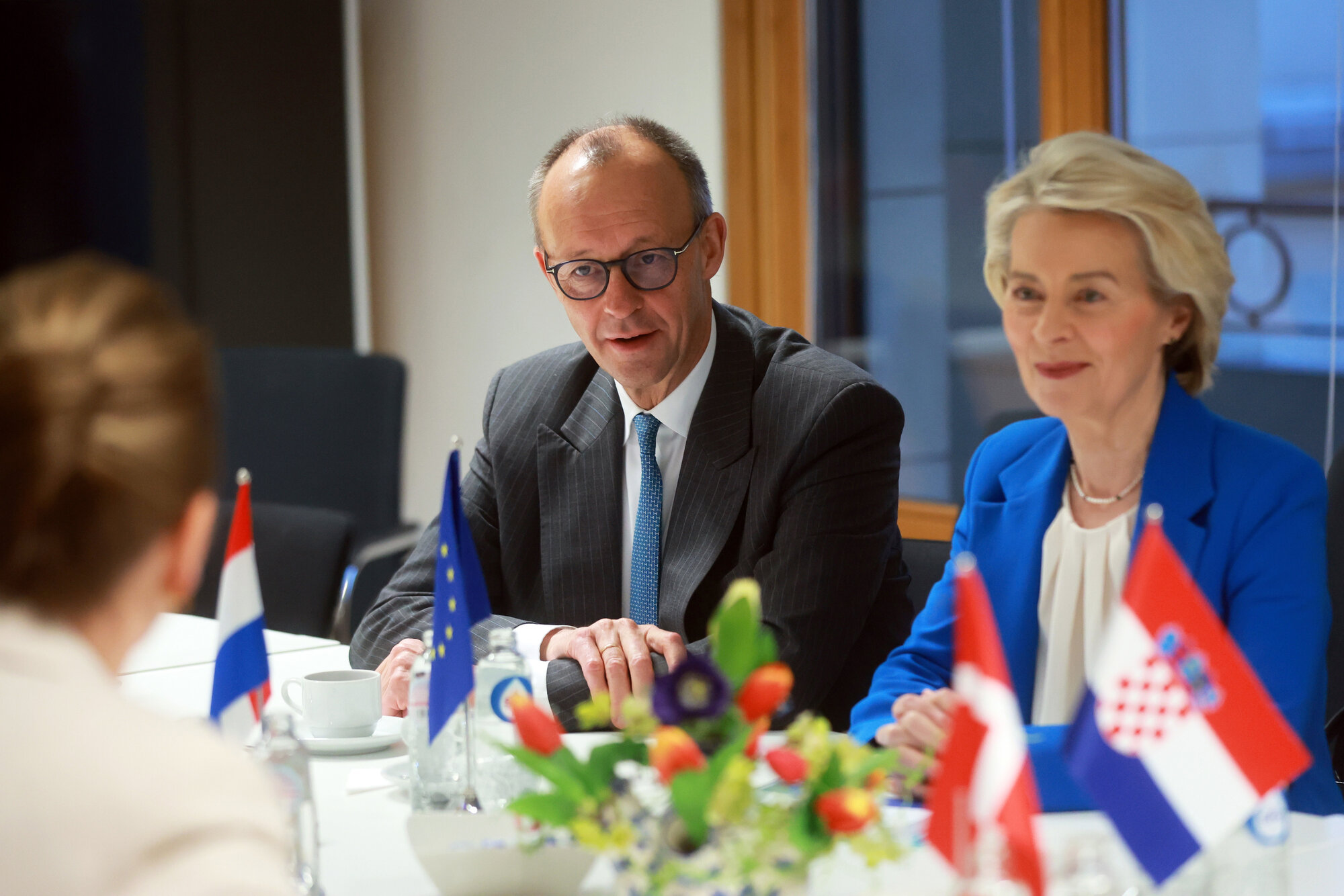
The compromise came only after the collapse of the EU’s more ambitious plan to directly deploy seized Russian central bank assets to support Kyiv. Despite weeks of debate and strong backing from key leaders, including German Chancellor Friedrich Merz and European Commission President Ursula von der Leyen, the proposal ultimately proved too legally complex and politically sensitive to secure unanimous approval.
French President Emmanuel Macron captured the stakes bluntly during the talks, warning that failure to reach any decision would amount to a “disaster.” France and Italy subsequently pushed for the alternative borrowing mechanism, shifting the focus from punishing Moscow to preserving EU unity.
Diplomats privately acknowledged the change in tone. One senior EU official said the discussion had moved from “saving Ukraine to saving face,” particularly for leaders who had publicly championed the use of frozen Russian assets. Belgian Prime Minister Bart De Wever framed the outcome as a pragmatic victory, arguing that Europe had avoided “chaos and division” by choosing debt financing over a more confrontational path that could have triggered Russian retaliation.
Belgium’s position proved pivotal. As the country hosting a large share of frozen Russian assets in Europe, Brussels has consistently warned of legal exposure and potential countermeasures from Moscow. EU officials conceded that persuading Belgium had become an insurmountable obstacle, effectively dooming the asset-seizure plan at this stage.
The episode has reignited criticism of the EU’s cumbersome decision-making structure, particularly its requirement for broad consensus on sensitive foreign policy issues. For critics, the drawn-out negotiations illustrate how Europe’s institutional complexity and divergent national interests can hinder rapid action even during wartime emergencies.
Still, EU leaders insist the door remains open. Draft conclusions from the summit reaffirm that the European Commission and Parliament will continue working toward a future financing mechanism tied to frozen Russian central bank assets, signaling that the issue has been postponed rather than abandoned.
For now, the agreement ensures continued financial support for Ukraine — but it also highlights a sobering reality: Europe’s political will to help Kyiv remains strong, yet its capacity to act decisively is still constrained by internal fault lines that Moscow is watching closely.
