
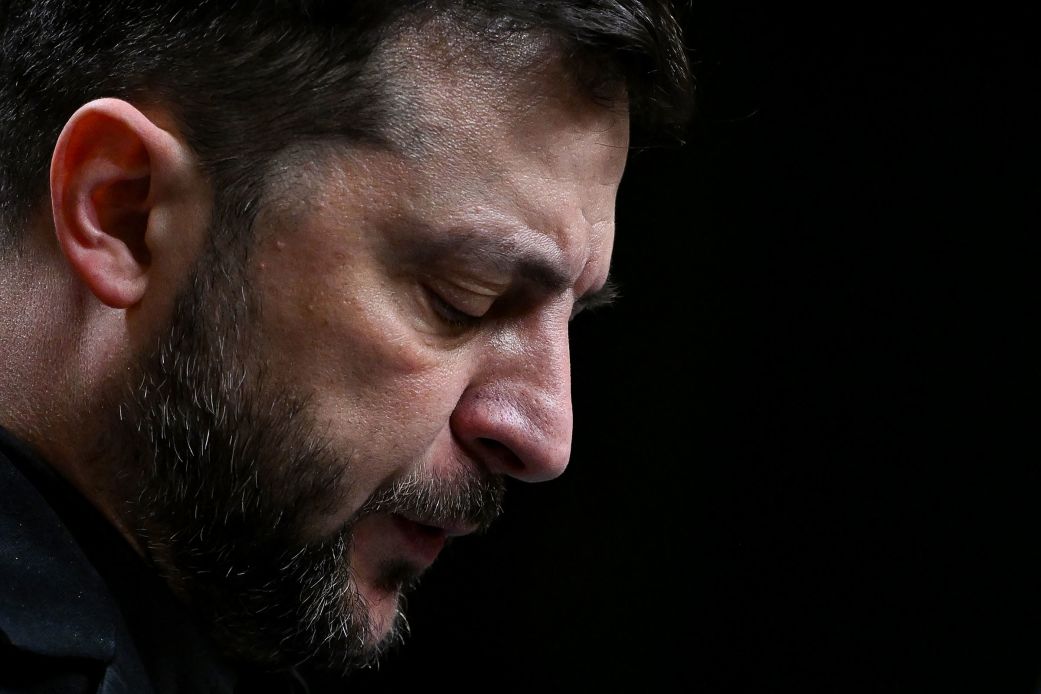
Ukrainian President Volodymyr Zelenskyy is set to hold pivotal talks with U.S. President Donald Trump in Florida on Sunday, as negotiations to end the war in Ukraine approach a critical phase.
MARKET INSIDER- The meeting comes as a draft 20-point peace framework and a bilateral security guarantees agreement between Kyiv and Washington near completion, raising expectations that key decisions could be taken before the end of the year.
Speaking ahead of the visit, Zelenskiy said the discussions would focus on the most sensitive and contentious issues in the peace process, particularly territorial questions in eastern Ukraine and the future of the Zaporizhzhia Nuclear Power Plant, Europe’s largest nuclear facility. Both issues remain major obstacles to a ceasefire nearly four years after Russia’s full-scale invasion began.
Territory remains the central stumbling block. Moscow is demanding that Ukraine withdraw from parts of the Donetsk region still under Kyiv’s control as it seeks full dominance over the Donbas, which includes Donetsk and Luhansk. Ukraine, by contrast, wants fighting to stop along current front lines. Zelenskiy reiterated that any territorial compromise would require the consent of the Ukrainian people, potentially through a referendum, underlining the political sensitivity of the issue at home.
The United States has floated compromise ideas, including the creation of a free economic zone should Ukraine leave certain contested areas, though details remain vague. Zelenskiy said the Florida meeting would be used to “refine” draft proposals and discuss possible economic arrangements tied to a broader settlement, while stopping short of confirming whether any formal agreements would be signed during the visit.
According to the Ukrainian leader, a U.S.–Ukraine security guarantees deal is almost finalized, while the broader peace roadmap is roughly 90% complete. Kyiv is pushing for legally binding guarantees, reflecting deep skepticism rooted in past security assurances that failed to prevent Russian aggression.
The talks are taking place against an active military backdrop. Russian forces have continued strikes on Ukraine’s energy infrastructure and intensified attacks on southern and eastern regions, including Odesa and Kharkiv, even as diplomatic contacts accelerate. Zelenskiy said he intends to press Trump on applying additional pressure on Moscow to curb attacks and move negotiations forward.
Russia has remained publicly tight-lipped about which proposals it might accept. Kremlin officials have confirmed receiving U.S. peace ideas but declined to comment, citing the risk of undermining negotiations. Russian media have reported that President Vladimir Putin could be open to limited territorial swaps elsewhere in Ukraine, though only in exchange for full control of the Donbas.
European leaders may join the talks remotely, reflecting the broader international stakes. Zelenskiy said he had already discussed “significant progress” with Finnish President Alexander Stubb, signaling ongoing coordination with European partners.
The Florida meeting underscores Washington’s central role in shaping the diplomatic endgame. With draft agreements nearing completion but core disputes unresolved, the outcome of Zelenskiy’s talks with Trump could determine whether momentum toward a ceasefire is sustained—or whether negotiations once again stall at the threshold of compromise.
