
Secondary trade penalties would extend U.S. pressure beyond Tehran, risking global market fallout
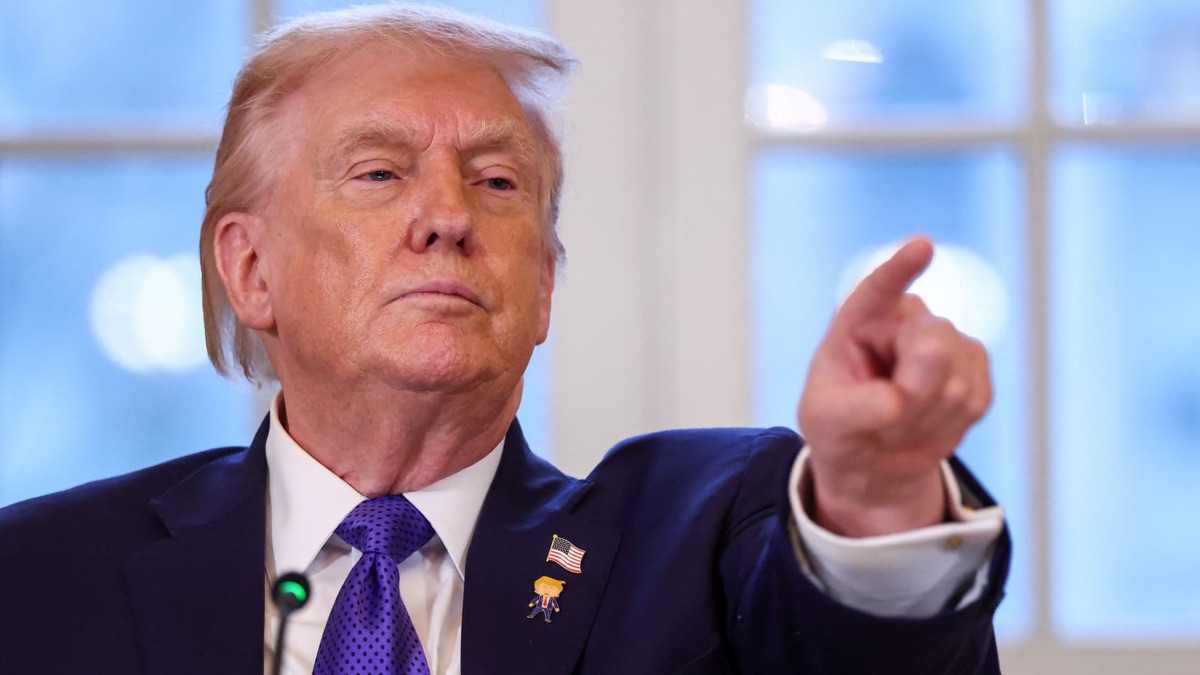
MARKET INSIDER – The global trade system was jolted Monday after Donald Trump warned that any country continuing to do business with Iran would face a sweeping 25% tariff on all trade with the United States. Announced via Truth Social and declared “final and conclusive,” the threat signals a sharp escalation in Washington’s economic pressure campaign—one that could ricochet far beyond the Middle East.
If enforced, the measure would mark a dramatic expansion of U.S. leverage, effectively weaponizing access to the American market to sever Iran’s remaining commercial ties. For global investors and policymakers, the message is unmistakable: geopolitical alignment may soon matter more than trade volumes, pricing, or supply-chain efficiency.
Trump’s proposal goes beyond traditional sanctions by targeting Iran’s partners rather than Iran alone. Countries that still import Iranian oil or maintain commercial relationships—particularly across Asia and parts of the Global South—would be forced to choose between Tehran and Washington. The strategy aims to accelerate Iran’s economic isolation at a moment of internal strain, as the country faces renewed anti-government protests that Trump has openly endorsed, warning that continued violence against demonstrators could trigger U.S. military action.
Yet the mechanics of the policy remain opaque. The White House has not clarified how such tariffs would be implemented, nor the legal authority underpinning them. Analysts point to the International Emergency Economic Powers Act as a likely vehicle—the same framework used for earlier Trump-era tariffs tied to national security and illicit trade. Complicating matters further, the announcement comes just ahead of a ruling by the United States Supreme Court on the legality of several prior tariffs, injecting fresh uncertainty into already fragile trade relations.
Markets are watching closely. A broad application of secondary tariffs could disrupt global energy flows, push up commodity prices, and provoke retaliation from major trading partners. It would also add volatility to equity and currency markets already sensitive to geopolitical risk, particularly as shipping lanes and energy supply chains remain exposed to regional instability.
More broadly, the threat underscores a defining feature of Trump’s foreign economic policy: the deliberate blurring of lines between trade, sanctions, and security strategy. Whether this gambit forces Iran’s partners to retreat—or instead accelerates the fragmentation of the global trading system—may determine how power, influence, and risk are priced in the next phase of globalization.
