
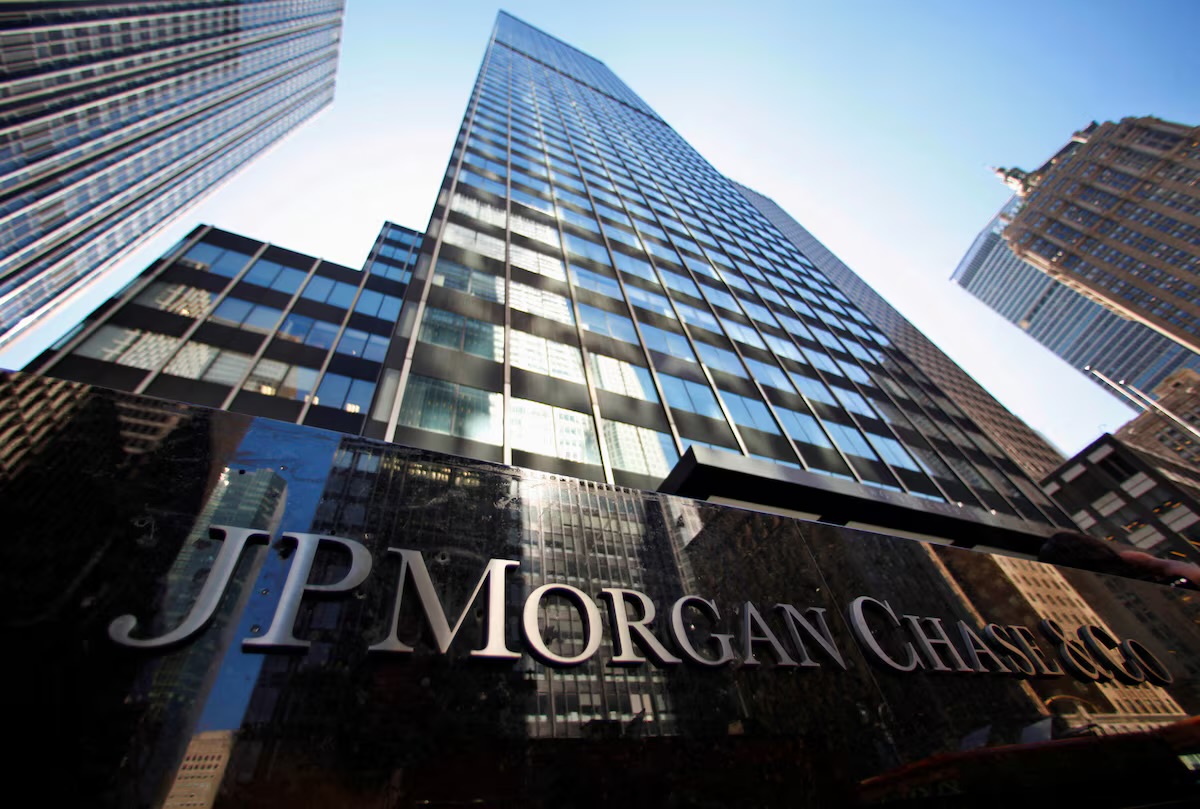
A $5 billion lawsuit against JPMorgan tests the power of banks in the age of politics
For decades, global finance has operated on an unspoken rule: banks and currencies are off-limits. Governments may posture, regulators may warn—but few dare to confront the financial system head-on. In early 2026, that assumption was openly challenged when Donald Trump filed a $5 billion lawsuit against JPMorgan Chase and its chief executive Jamie Dimon, accusing them of politically motivated account freezes following the January 6, 2021 Capitol riot.
The lawsuit, filed on January 22, 2026, alleges that JPMorgan froze Trump’s personal and business accounts in February 2021—roughly two months after he left the White House—not because of legal or regulatory necessity, but because the bank believed the political climate favored cutting ties. Trump argues that the move violated Florida’s deceptive trade laws and was driven by “woke” political pressure rather than objective risk management.
JPMorgan has firmly rejected the claims. The bank insists the lawsuit is unfounded and maintains that it does not close accounts for political or religious reasons. According to the company, accounts are terminated only when they pose legal or regulatory risks. A spokesperson expressed regret over the lawsuit while denying any political motivation. Yet critics argue that this defense looks fragile when weighed against the historical relationship between Trump and the bank.
For more than four decades, Trump was one of JPMorgan’s most prominent clients. From the 1980s through the 1990s, the bank financed major Trump projects, including Trump Tower, Atlantic City casinos, hotels, and golf courses. Even after multiple bankruptcies in the 1990s, JPMorgan continued extending hundreds of millions of dollars in credit, including financing the acquisition of the Doral Golf Resort. As late as 2020, JPMorgan remained the primary bank for both the Trump Organization and Trump personally. That long-standing relationship makes the sudden account freeze—absent a court order or criminal prosecution at the time—especially contentious.
The timing further fuels suspicion. When JPMorgan acted, Trump had not yet been criminally charged over January 6, and no judicial directive required banks to sever ties. While other institutions such as Signature Bank and Deutsche Bank also distanced themselves from Trump, JPMorgan’s status as the largest U.S. bank elevates the implications. Trump’s legal team argues the decision reflected political calculus, not compliance necessity—particularly given Jamie Dimon’s public hostility toward Trump in early 2021, when Dimon openly supported impeachment and described Trump as a “troublemaker” who needed to be punished.
The account freeze also coincided with a broader corporate pullback. Payment platforms and tech companies including PayPal, Stripe, and Shopify cut off services to Trump-related entities around the same time. To Trump, this amounted to a coordinated “financial siege,” using private financial infrastructure to enforce political punishment when legal avenues were unavailable.
In his filing, Trump wrote that JPMorgan acted not out of fear of regulators, but out of fear of political backlash. Legal analysts note that if courts accept this framing—especially given Trump’s VIP status, the lack of formal charges at the time, and the absence of court orders—the case could become one of the strongest challenges yet to banks’ discretion in closing accounts.
The stakes extend far beyond Trump and JPMorgan. At its core, the lawsuit raises a question that global investors and business leaders can’t ignore: where does risk management end and political enforcement begin? If banks are found to have acted on political winds rather than legal mandates, the precedent could reshape how financial institutions balance compliance, public pressure, and client rights. In an era where finance and politics are increasingly intertwined, this case may determine whether banks truly remain untouchable—or whether even Wall Street’s giants can be dragged into court when power shifts.
