
Islamabad steps in as potential mediator as Trump signals progress—while Tehran denies negotiations are underway.
MARKET INSIDER – A potential diplomatic opening is emerging in the escalating Middle East conflict, as Pakistan offers to host peace talks between Washington and Tehran. The proposal comes at a critical moment, as global markets and policymakers search for signs of de-escalation in a conflict that has already disrupted energy supplies and heightened geopolitical risk worldwide.
Prime Minister Shehbaz Sharif said Islamabad is ready to facilitate “meaningful and conclusive talks” aimed at ending hostilities, contingent on agreement from both sides. The offer follows comments from Donald Trump, who claimed recent discussions with Iran had been “very good and productive,” raising cautious optimism that diplomacy could replace escalation.
However, the narrative remains deeply contested. Iranian officials have pushed back strongly, with parliament speaker Mohammad Bagher Ghalibaf dismissing reports of negotiations as “fake news.” The conflicting accounts highlight the fragile and uncertain nature of any diplomatic progress, even as backchannel efforts reportedly involve key U.S. figures such as envoy Steve Witkoff and Jared Kushner.
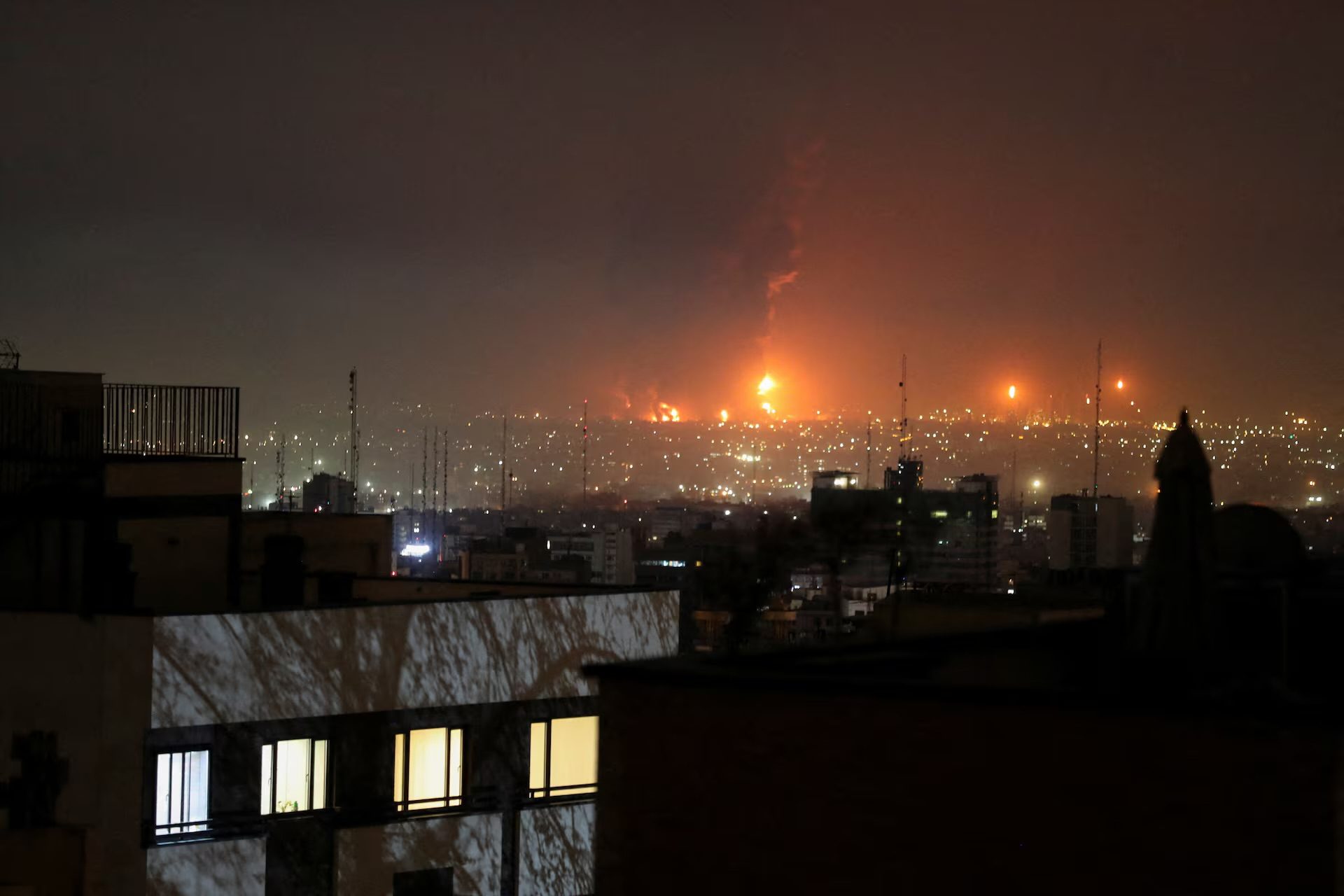
The stakes are global. Since the conflict escalated in late February, attacks on energy infrastructure and shipping routes have effectively disrupted the Strait of Hormuz, through which roughly 20% of the world’s energy supply flows. Iran has also launched strikes against countries hosting U.S. bases and targeted Gulf energy assets, amplifying fears of prolonged instability in the region.
Pakistan’s intervention reflects its unique geopolitical position, maintaining working relationships with both Western powers and regional actors. By stepping forward as a neutral venue, Islamabad is attempting to revive diplomacy at a time when previous mediation efforts—including those led by Oman—have failed to prevent escalation.
For global investors, the development introduces a new variable into an already volatile landscape. A credible negotiation track could ease pressure on oil prices, stabilize supply chains, and support risk assets. Conversely, continued disagreement over whether talks are even taking place underscores the risk of further escalation.
The bigger question now is not just whether talks will happen—but whether any side is ready to compromise. In a conflict where narratives diverge as sharply as military actions, diplomacy may prove as unpredictable as the markets reacting to it.
