
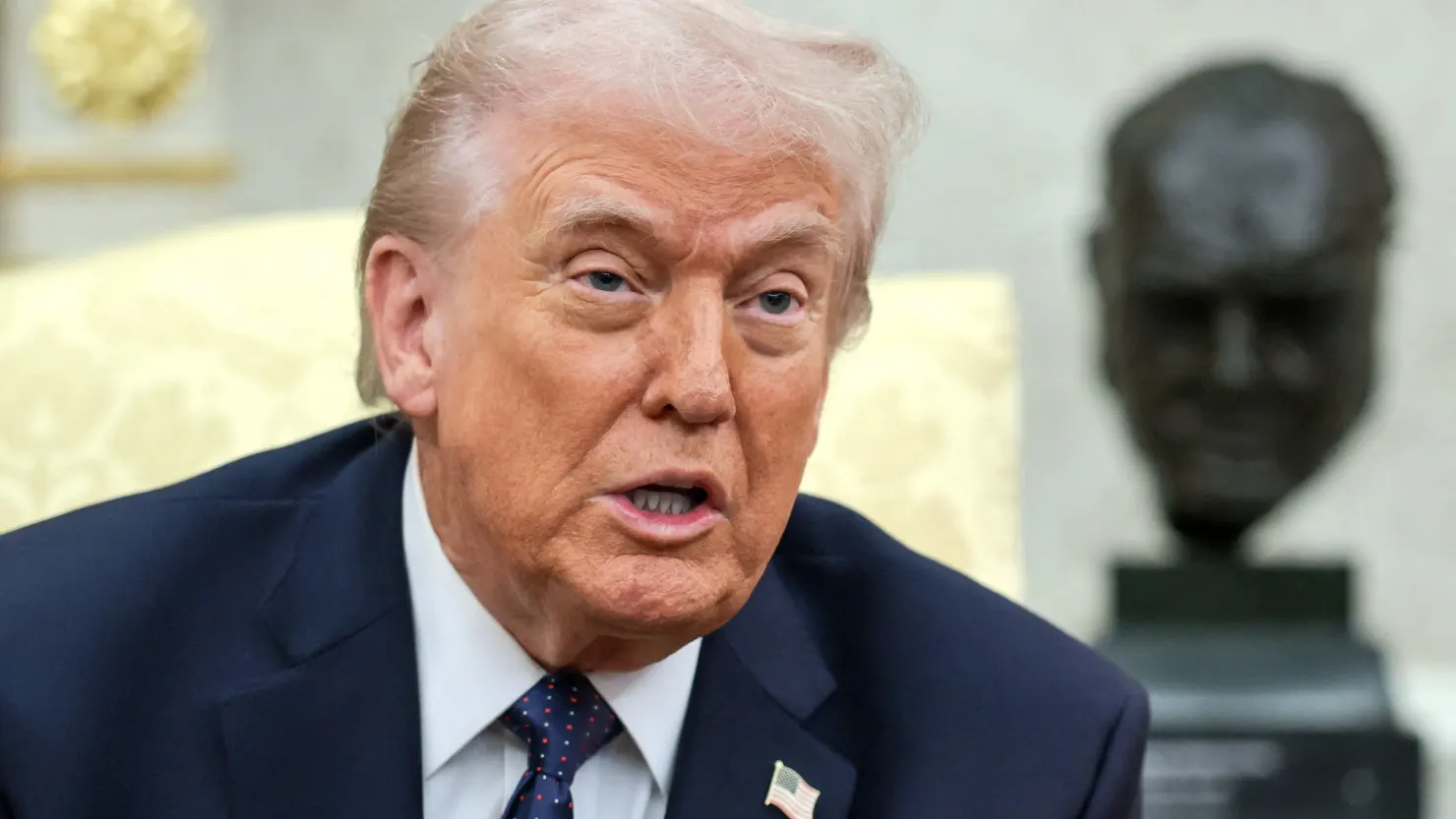
Backchannel diplomacy intensifies as Washington claims progress—while Tehran denies direct negotiations.
MARKET INSIDER – The United States has reportedly presented Iran with a 15-point plan to end the war, signaling a potential shift from escalation to structured diplomacy—even as both sides publicly contradict each other on whether talks are actually happening. The development highlights a growing disconnect between political messaging and behind-the-scenes negotiations shaping one of the world’s most volatile conflicts.
Speaking at the White House, Donald Trump insisted that Washington and Tehran are “in negotiations right now,” adding that Iran is showing willingness to reach a deal. He said his decision to pause planned strikes on Iranian energy infrastructure was directly tied to these discussions, describing the exchanges as “talking sense.”
According to reports, the proposal—delivered via Pakistan—outlines a framework for de-escalation, though details remain unclear and it is uncertain how widely it has been circulated within Iran’s leadership. Trump suggested that preventing Iran from acquiring nuclear weapons remains the core objective, calling it “No. 1, 2 and 3” on the list of priorities.
Multiple U.S. officials are reportedly involved in the process, including JD Vance, Marco Rubio, alongside envoys such as Steve Witkoff and Jared Kushner. At the same time, regional actors—including Pakistan—have offered to facilitate talks, underscoring the growing role of intermediaries in a conflict where direct communication remains limited.
Yet the diplomatic narrative is far from settled. Iranian officials continue to deny that any direct negotiations are taking place, while U.S. allies and analysts question whether the proposed framework has sufficient backing from key stakeholders, including Israel.
Complicating matters further, military operations have not paused. While diplomacy is being explored, the U.S. campaign—referred to as ongoing operations—continues, and reports indicate preparations for additional troop deployments to the region. The dual-track approach reflects a strategy of negotiating from strength, but it also raises the risk of misalignment between diplomatic efforts and military actions.
For global markets, the implications are immediate. The mere suggestion of a structured peace framework has already influenced oil prices and investor sentiment, even without confirmation from Tehran. But the lack of transparency—and conflicting narratives—means volatility is likely to persist.
The broader question is whether this 15-point plan represents a genuine pathway to de-escalation or simply another phase in a conflict defined by strategic signaling. In a geopolitical environment where diplomacy, military pressure, and market stability are tightly intertwined, the outcome may hinge less on the plan itself—and more on whether both sides are prepared to acknowledge it publicly.
