
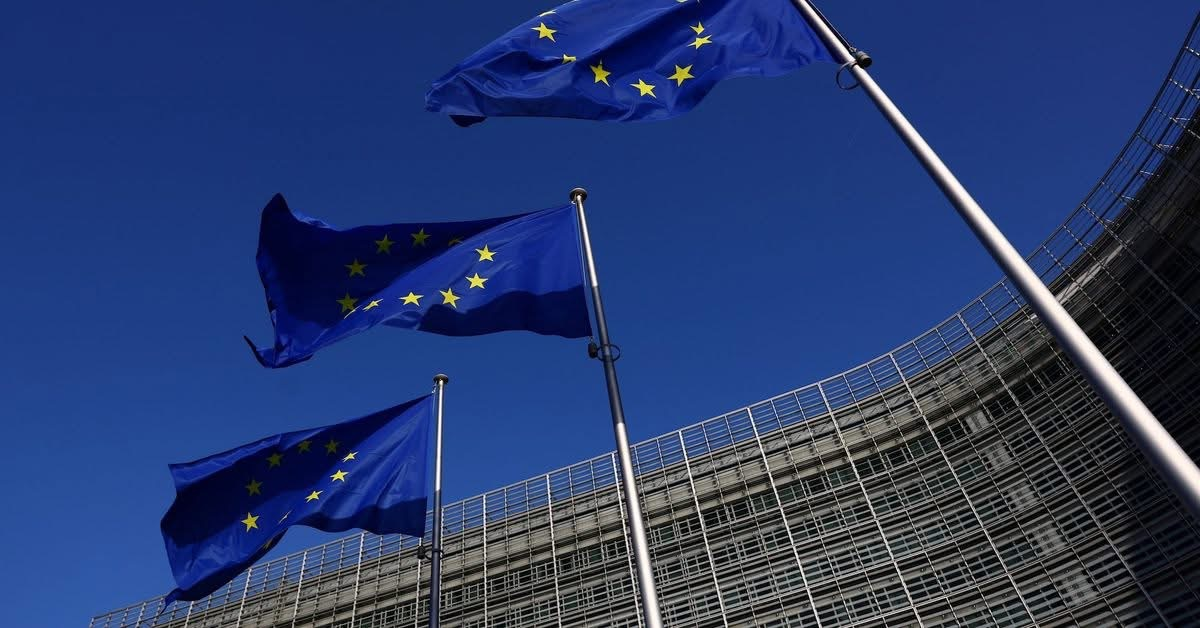
Twenty-four member states back additional support, but disagreements over military funding and national contributions push negotiations into December.
MARKET INSIDER — European Union leaders have deferred an agreement on a proposed €45 billion loan for Ukraine in 2027, exposing divisions over how to share the financial burden of supporting Kyiv while funding Europe’s other priorities. Following talks in Brussels, European Council President António Costa said 24 member states supported the proposal, with Bulgaria participating only in its non-military component. Leaders will return to the issue in December. The discussions also left the EU’s 2028–2034 budget unresolved, linking Ukraine’s immediate financing needs to a broader debate over spending, revenue and national contributions, the Consilium reported.
What the proposed loan would finance
The European Commission’s November 18 proposal would provide up to €25 billion in military assistance and €20 billion in general budget support.
The financing would be additional to the €90 billion Ukraine Support Loan already established for 2026 and 2027. It should therefore be distinguished from money remaining under that existing arrangement.
The Commission proposes raising the new funding through EU borrowing. Its framework would allow future windfall profits from immobilized Russian assets to contribute to repayment, while maintaining the principle that Ukraine would repay the principal only once it receives reparations from Russia. These remain proposed arrangements, rather than a completed financing agreement, according to Enlargement and Eastern Neighbourhood
For Kyiv, predictable funding is essential to maintaining public services and defense capacity during the war. For EU governments, the unresolved question is how broadly the associated financial responsibilities should be shared.
Germany presses for shared responsibility
German Chancellor Friedrich Merz has sought commitments from all member states to support Ukraine, arguing that European security requires a common financial response.
Hungary, Slovakia and the Czech Republic have sought to remain outside the new loan arrangement, according to reporting on the negotiations. Germany has resisted exemptions as it seeks to protect the durability of European support, theguardian.com reported.
Bulgaria’s position is more limited: Costa said it supported participation in the non-military component, with a focus on regions containing its national minority.
That distinction matters. Opposition to military financing does not necessarily amount to rejecting all economic assistance to Ukraine.
A wider struggle over Europe’s budget
The Ukraine debate sits alongside negotiations over the EU’s next seven-year spending framework, beginning in January 2028.
Governments face competing demands: maintaining agricultural support and regional development spending, strengthening defense, improving industrial competitiveness and sustaining assistance to Ukraine.
Countries seeking restraint in national contributions must reconcile those commitments with pressure on their own public finances. Meanwhile, governments defending established programs face the prospect that new priorities will compete for the same resources.
Costa’s proposal seeks to balance those demands through limits on national contributions and additional EU revenue sources. Proposed sources include digital services, non-recycled electronic waste, tobacco-related products, the carbon border adjustment mechanism and emissions trading. They form part of the negotiation, rather than an agreed revenue package, Consilium citied.
Why the outcome matters for investors
The negotiations have implications beyond the headline loan amount.
Additional EU borrowing would influence the bloc’s financing requirements, while the eventual spending allocation would shape funding opportunities for defense suppliers, infrastructure projects and businesses participating in Ukraine’s recovery.
However, political support for a proposal does not establish when funds will become available or which companies will receive contracts. Investors need to distinguish proposed allocations from approved programs and actual disbursements.
The immediate question is whether December’s negotiations can establish a workable agreement on Ukraine. The longer-term challenge is securing a budget that can support Europe’s expanding commitments without losing the backing of governments expected to finance them.
