
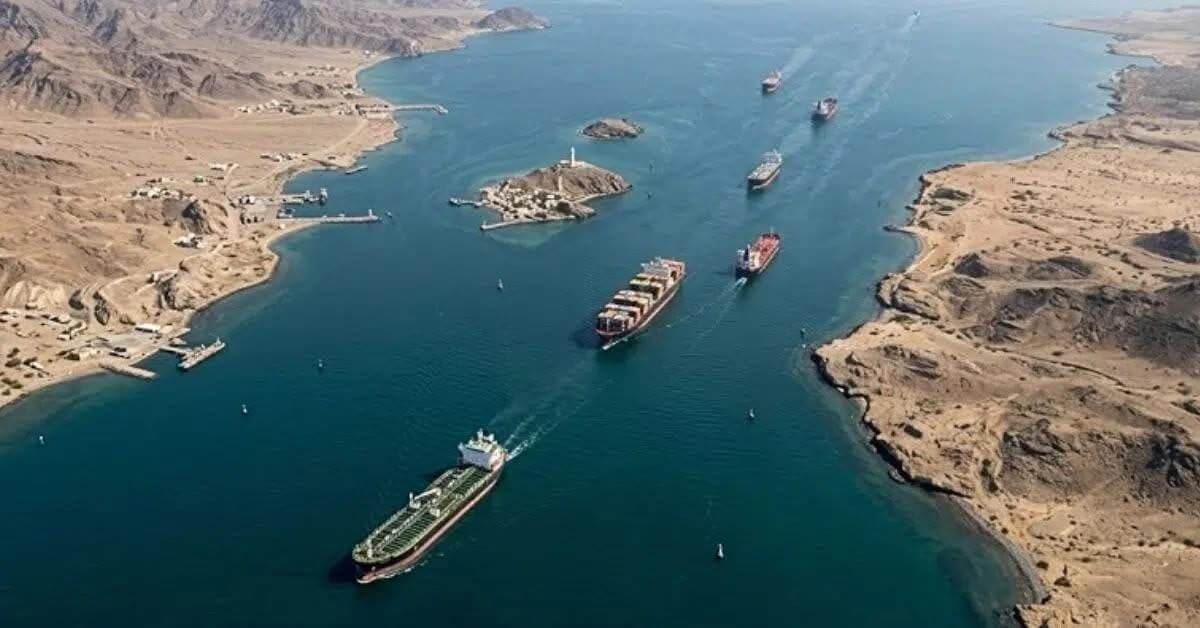
Smaller vessels and offshore transfers are helping sustain Gulf energy shipments despite attacks, complicating the picture for global oil markets.
MARKET INSIDER — Energy tanker traffic through the Strait of Hormuz increased in November, suggesting shipping companies are finding ways to maintain deliveries despite persistent security risks. However, more vessel movements do not necessarily mean more oil reaching international markets. Tracking data show a shift toward smaller tankers, while signal interference and vessels operating without transmitting their positions make cargo flows harder to measure. For energy buyers, the increase offers evidence of logistical resilience, but falls short of confirming either a proportional recovery in supply or safer passage.
What the shipping figures show
According to Vortexa data reported by Bloomberg, the seven-day moving average of transits by crude oil, fuel and liquefied natural gas carriers remained above 26 vessels a day from November 1 through November 19.
In October, the corresponding measure was below 25 on at least two-thirds of the days.
Over the same period, crossings by very large crude carriers, known as VLCCs, and Suezmax tankers declined slightly, while smaller vessels became more prominent, according to gcaptain.com
That change in fleet composition limits what can be inferred from the headline count. Several smaller shipments can replace one larger cargo, raising the number of transits without increasing the total volume transported.
The combined traffic figure also covers different energy products. It cannot, on its own, establish whether crude oil, refined fuels or LNG deliveries each increased.
Smaller tankers help sustain exports
Aframax tankers have taken a greater role in moving crude through the waterway. These vessels can carry roughly 800,000 barrels, depending on their specifications and cargo—substantially less than a VLCC.
Operators have also redirected some LR2 product tankers toward crude transportation. LR2 vessels, broadly comparable in size to Aframax tankers, normally carry refined products such as diesel and gasoline.
Changing cargoes gives operators additional capacity for crude shipments. Returning those vessels to clean-product service, however, can require extensive tank cleaning and time out of commercial operation.
Industry reporting has documented this movement between the two markets, with stronger crude-tanker earnings encouraging some operators to switch employment, S&P Global citied.
Offshore transfers reshape the delivery chain
Ship-to-ship transfers have become another important part of the system.
Instead of a single vessel loading in the Persian Gulf and sailing directly to its final destination, a tanker can shuttle cargo through Hormuz and transfer it to another ship outside the strait. The receiving vessel then undertakes the onward voyage.
This arrangement helps sustain exports while changing which vessels undertake the most exposed part of the journey. European Maritime Finance has described shuttle operations as a central feature of the region’s altered shipping patterns, European Maritime Finance reported.
Additional transfers also make the supply chain more complex. Counting ship movements becomes less informative unless analysts can identify cargo sizes, transfer locations and onward deliveries.
Resilience comes with higher costs
The rise in traffic has occurred alongside continued attacks. Bloomberg reported that shuttle costs and additional insurance charges had climbed close to their wartime highs.
Vortexa also cautioned that signal interference, spoofing and untracked passages could affect real-time monitoring, leaving the figures subject to revision, according to gcaptain.com
For Asian energy importers, the practical distinction is between cargo availability and delivered cost. Continued shipments can help limit shortages, while expensive insurance, transfers and transport still weigh on procurement costs.
The key indicators now are barrels delivered, cargo arrival times and freight charges. A higher transit count is encouraging evidence that shipping networks are adapting; a durable improvement for consumers would also require reliable volumes and lower delivery costs.
