
New advisory teams featuring Mervyn King, Marc Andreessen and Raghuram Rajan aim to reshape Fed policy, AI strategy and inflation management.
MARKET INSIDER – The US Federal Reserve is embarking on one of its most ambitious institutional overhauls in decades, signaling a potential shift in how the world’s most influential central bank communicates with markets, measures inflation and responds to the artificial intelligence revolution. For global investors, the initiative could reshape expectations for US interest rates, financial markets and the future direction of monetary policy.
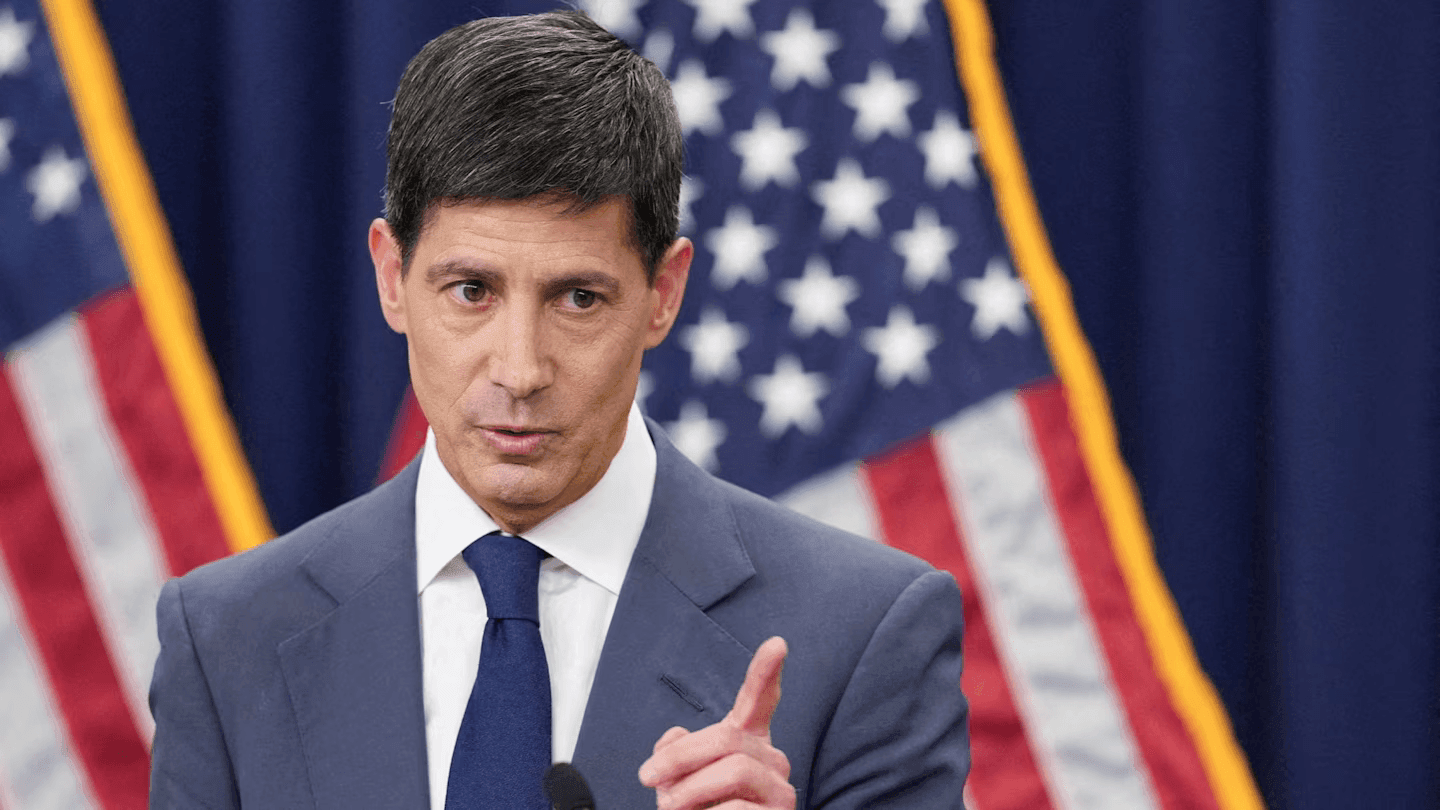
New Federal Reserve Chair Kevin Warsh has unveiled a high-profile reform agenda supported by an extraordinary lineup of economists, former central bankers, technology leaders and business executives. The move reflects a growing belief that the US economy has fundamentally changed—and that the Fed must evolve with it.
Warsh announced the creation of five independent advisory groups tasked with redesigning key aspects of the Federal Reserve, including market communications, balance sheet management, data modernization, AI-driven productivity and the central bank’s inflation framework. The panels include former Bank of England Governor Mervyn King, venture capitalist and crypto advocate Marc Andreessen, former Reserve Bank of India Governor Raghuram Rajan, Nobel Prize-winning economist Thomas Sargent, former Walmart CEO Doug McMillon, Harvard economist Raj Chetty, Microsoft executive Asha Sharma and several other internationally respected experts.
“The US economy has changed dramatically over the course of a generation, and never more rapidly than today,” Warsh said, adding that bringing together leading minds from different disciplines would strengthen the Fed’s ability to serve an increasingly dynamic economy.
Among the most closely watched proposals is Warsh’s plan to gradually reduce the Federal Reserve’s roughly $7 trillion balance sheet, modernize its economic data infrastructure and rethink how inflation is measured. During his Senate confirmation hearing, Warsh argued that policymakers should place greater emphasis on the trimmed mean inflation index, which filters out extreme price swings to better capture underlying inflation trends.
Warsh has also argued that artificial intelligence could trigger a powerful wave of productivity growth across the US economy, allowing the Federal Reserve to lower interest rates without reigniting inflation. That view, however, remains controversial. Several Fed officials have warned that massive investment in AI infrastructure, including data centers and semiconductor supply chains, could instead keep inflation elevated by boosting demand for labor, energy and capital.
Each working group will focus on a strategic pillar of the Fed’s modernization agenda. King and former Brazilian central bank governor Arminio Fraga will help lead the communications review, while Rajan joins Harvard professors Karen Dynan and Jeremy Stein in evaluating balance sheet policy. Andreessen will co-chair the productivity and AI panel alongside Stanford economist Charles Jones and Microsoft’s Asha Sharma, underscoring the growing influence of Silicon Valley thinking on economic policymaking.
Krishna Guha, Vice Chairman of Evercore ISI, described the advisory board as a collection of highly credible external voices. While many members hold views that differ from the Federal Reserve’s traditional consensus, he said their recommendations are likely to receive serious attention from policymakers, financial markets and Fed staff alike.
The advisory groups are expected to deliver their recommendations to the Federal Open Market Committee (FOMC)before the end of the year. If even a portion of the proposals are adopted, the reforms could mark one of the most significant transformations of the Federal Reserve since the aftermath of the 2008 global financial crisis. As AI reshapes productivity, digital assets gain institutional legitimacy and inflation dynamics become more complex, investors worldwide will be watching whether the Fed chooses to modernize—or redefine—the playbook that has guided global markets for decades.
