
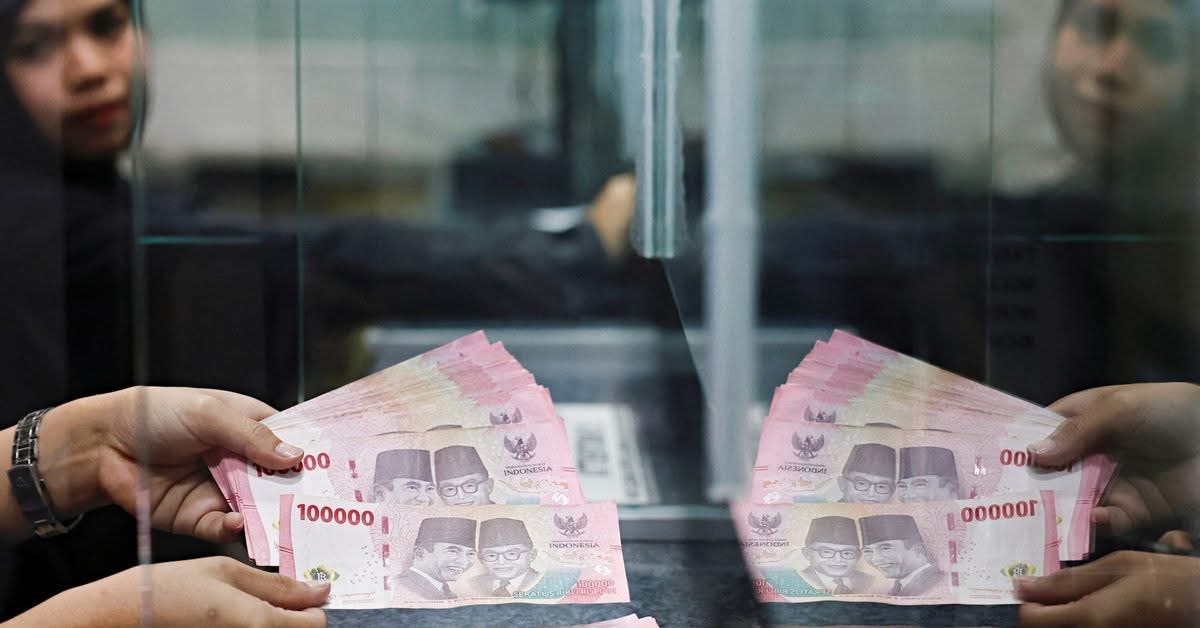
Bank Indonesia deploys aggressive intervention as global tensions and a surging dollar pressure emerging markets
MARKET INSIDER – A sharp slide in Indonesia’s currency is sending a familiar warning signal across emerging markets: when geopolitics heats up and the U.S. dollar strengthens, capital doesn’t hesitate to flee. This week, the rupiah plunged to a historic low, forcing Bank Indonesia into full-scale intervention—highlighting rising fragility across Asia’s financial landscape.
The move comes as global investors rapidly reprice risk following the escalating U.S.–Israel–Iran conflict, a shock that is reverberating far beyond the Middle East. For Indonesia, Southeast Asia’s largest economy, the implications are immediate: currency pressure, capital outflows, and potential strain on domestic growth just as the country seeks to maintain post-pandemic momentum.
According to Senior Deputy Governor Destry Damayanti, authorities are deploying “every tool” available to stabilize the rupiah after it weakened to around 17,090 per dollar—its lowest level on record. The central bank has stepped into both spot and non-deliverable forward markets, while signaling readiness to purchase government bonds if volatility intensifies. The strategy reflects a multi-layered defense aimed at calming markets without triggering panic.
The rupiah has already fallen more than 2% this year, broadly tracking declines seen in other regional currencies as the dollar regains dominance. But Indonesia’s challenge is compounded by its reliance on foreign portfolio flows to finance its economy. To counter this, policymakers are also working to boost inflows by enhancing the appeal of rupiah-denominated securities, including its SRBI instruments, in a bid to anchor investor confidence.
Still, the risks are mounting. A weaker currency raises import costs, fuels inflationary pressure, and can dampen domestic consumption—key drivers of Indonesia’s growth model. While elevated commodity prices, particularly for exports like coal and palm oil, offer a partial buffer, they may not fully offset the broader macroeconomic drag if global volatility persists.
For investors, the episode underscores a critical shift: emerging markets are once again highly sensitive to geopolitical shocks and dollar cycles. Indonesia may be the latest flashpoint, but it is unlikely to be the last. If tensions escalate further, the real question is not whether central banks can defend their currencies—but how long they can sustain the fight without sacrificing growth.
