
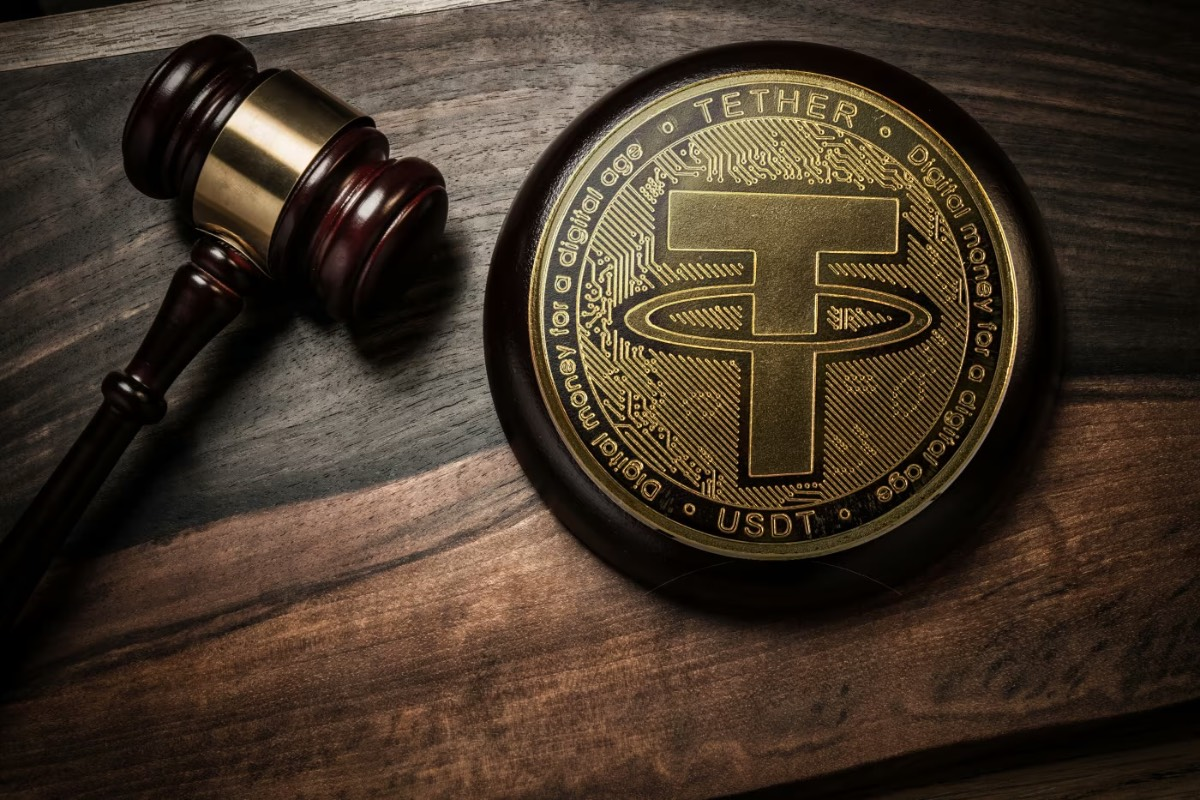
Global finance shifts from experimentation to integration; stablecoins lead with 74% viewing them as cash-flow efficiency booster
MARKET INSIDER – Stablecoins have evolved from niche digital assets into a strategic imperative for financial institutions worldwide, according to Ripple’s latest survey of more than 1,000 global financial leaders released March 21, 2026. No longer viewed as optional experiments, cryptocurrencies—especially stablecoins—are now integral to cash-flow management, value storage, risk mitigation, and payments, signaling the acceleration of what Ripple describes as the “digital asset revolution.”
Key findings highlight the momentum: 70% of respondents said financial leaders must offer digital-asset solutions to stay competitive, while 74% identified stablecoins as a powerful tool for improving cash-flow efficiency and unlocking working capital. Pegged to fiat currencies (primarily USD) or real assets like gold, stablecoins such as USDT, USDC, and DAI provide price stability absent in volatile tokens like Bitcoin or Ethereum—making them the “cash” of the crypto ecosystem. During market turbulence, investors routinely rotate into stablecoins to preserve liquidity, a defensive move that has become routine amid recent USD strength and geopolitical uncertainty.
The global stablecoin market capitalization surpassed $310 billion as of February 2026, underscoring their growing scale and utility. Fintech companies are leading adoption: 31% use stablecoins to collect customer payments, 29% accept them directly, and 47% plan to build proprietary solutions. Banks and asset managers, meanwhile, are prioritizing tokenization of traditional assets—89% rank secure custody as their top concern, with banks focusing on token management (82%) and asset managers on distribution (80%).
Security remains non-negotiable: 97% of leaders emphasized certifications such as ISO or SOC 2, alongside operational expertise, when selecting partners. The survey reveals a clear trend: digital assets are transitioning from peripheral innovation to a core competitive differentiator shaping 2026 strategies across banking, fintech, and asset management.
For global investors and corporate treasurers, the implications are profound. Stablecoins offer a bridge between traditional finance and blockchain—enabling faster cross-border settlements, reduced capital lock-up, and better hedging against volatility—without the price swings that have deterred mainstream adoption of other cryptocurrencies. As fintechs outpace banks in implementation, pressure is mounting on incumbents to partner or build capabilities quickly.
The contrarian insight: while regulatory scrutiny (e.g., Canada’s recent license revocations) and geopolitical risks persist, the survey’s overwhelming consensus—stablecoins as a cash-flow enhancer rather than speculative play—suggests they could become the “killer app” that normalizes digital assets in institutional finance. If adoption accelerates as projected, stablecoins may quietly reshape global liquidity and payment rails far faster than broader crypto narratives imply—potentially delivering efficiency gains that outweigh near-term volatility concerns. The race is on: institutions that integrate early could gain lasting advantages in an increasingly tokenized world.
