
Landmine blast, Anutin’s ceasefire suspension, and U.S. pressure reshape the region’s fragile peace architecture—placing Malaysia at the center of crisis diplomacy
MARKET INSIDER – Fresh clashes along the Thailand–Cambodia border and Thai Prime Minister Anutin Charnvirakul’s decision to suspend a recent ASEAN-brokered agreement have thrown Southeast Asia into a tense new chapter of regional diplomacy. What began as a bilateral dispute—with centuries-old historical roots—has now escalated into a high-stakes geopolitical test involving ASEAN, Malaysia, and the United States.
The immediate trigger was a landmine explosion in Sisaket, injuring Thai soldiers and shifting Bangkok’s security calculus overnight. The incident gave Anutin political cover to freeze implementation of the peace declaration signed earlier at the ASEAN Summit, a move widely seen as both a protest against Phnom Penh and a signal to domestic constituencies that Thailand under Anutin will be uncompromising in defending sovereignty.
Analysts say Anutin’s suspension is as much about internal politics as it is about security. The prime minister must project toughness—to the Thai military, to voters, and to Washington—while avoiding a prolonged escalation. The freeze is expected to be temporary, a strategic message to Cambodia rather than a permanent withdrawal from peace talks.
But the stakes for ASEAN are high. If tensions spiral, the region faces the prospect of low-intensity conflict, including intermittent gunfire, militia activity, smuggling, border closures, trade disruptions, and refugee flows—patterns seen during previous flare-ups.
Malaysia’s Pivotal Role
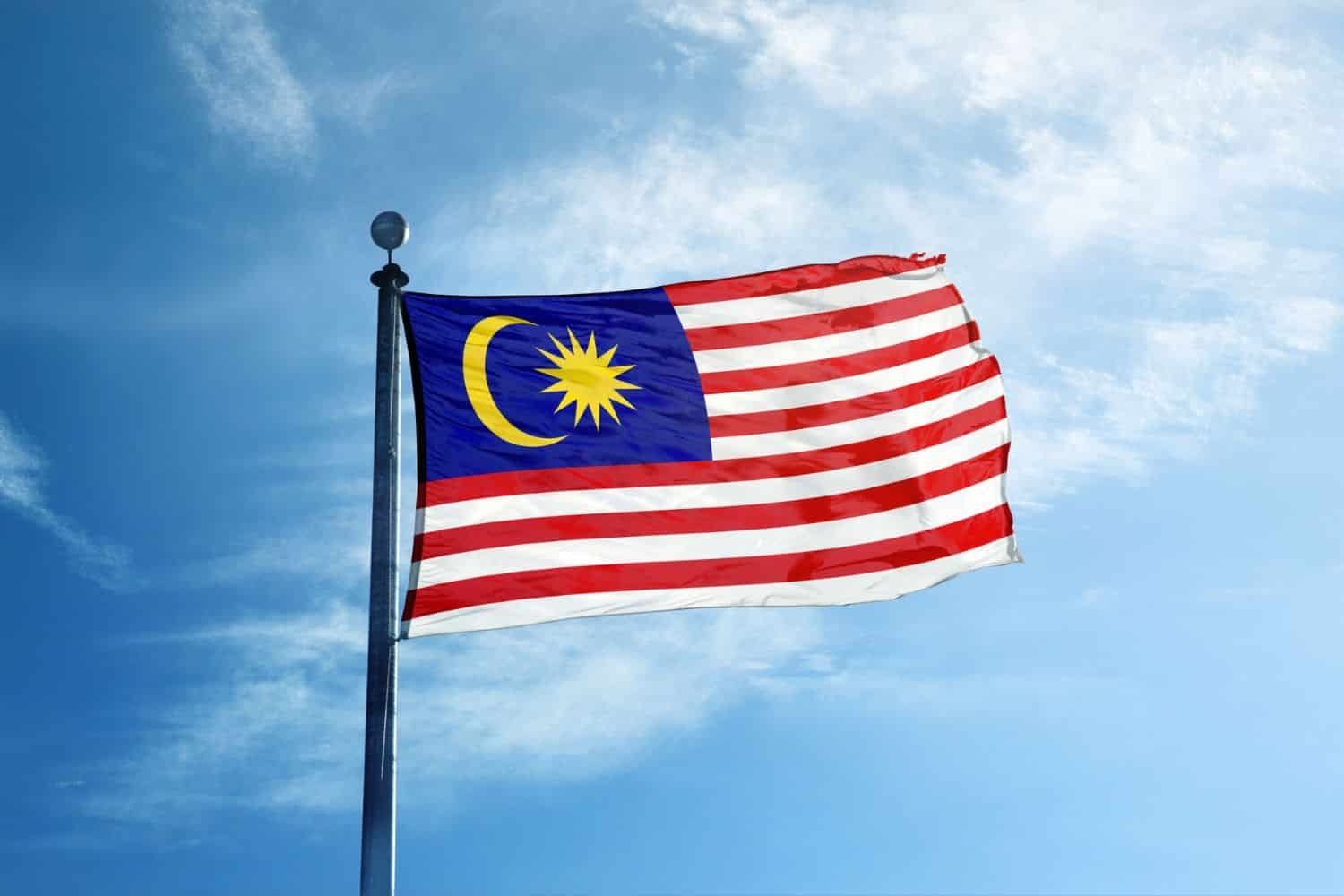
Malaysia has emerged as the region’s most credible mediator. Working alongside the United States, Kuala Lumpur previously helped facilitate the ceasefire. Its role is grounded in neutrality, professionalism, and a long history of conflict mediation consistent with ASEAN’s principles of dialogue, non-alignment, and non-interference.
Despite inflammatory comments from a former Thai general accusing Malaysia and Prime Minister Anwar Ibrahim of being “enemies within the blanket,” Thailand’s official position rejects such rhetoric. Malaysia’s Armed Forces Chief, General Tan Sri Hj Mohd Nizam, reiterated that Malaysia’s actions remain strictly within ASEAN frameworks—helping defuse reputational risks and reinforcing Kuala Lumpur’s image as a stabilizing force.
Malaysia remains the only ASEAN actor trusted by both Bangkok and Phnom Penh, thanks to its diplomatic discipline, peacekeeping record, robust defence channels, and consistent neutrality. Its task now: keep both sides engaged, counter misinformation, and maintain humanitarian principles while navigating sovereignty sensitivities, narrative manipulation, and domestic political pressures.
Washington’s Strategic Pressure
The United States—and President Donald Trump personally—is a decisive factor in pushing Bangkok back to negotiations. Through a mix of security assurances and tariff threats, Washington has created a transactional environment that Thailand cannot ignore. Bangkok recognizes that ties with the U.S. are as critical as relations with ASEAN and neighboring Cambodia.
Without U.S. pressure, analysts warn, efforts at de-escalation may stall.
ASEAN’s Most Severe Test in Years
ASEAN lacks enforcement mechanisms and operates on consensus, making this crisis a test of its long-standing diplomatic model. But the bloc’s credibility remains intact—provided Malaysia sustains its stabilizing role and both Thailand and Cambodia maintain the political will to reengage.
Ultimately, the border crisis underscores a hard truth:
Peace in Southeast Asia hinges not only on national restraint but on the balance between ASEAN diplomacy and U.S. strategic pressure.
If Malaysia can continue navigating that balance with neutrality and discipline, the region may avert deeper conflict—once again proving why Kuala Lumpur remains ASEAN’s most trusted conflict mediator.
@ COLLINS CHONG YEW KEAT
Foreign Affairs, Security and Strategy Analyst
Universiti Malaya
