
Mixed signals over Iran war truce leave Beirut exposed, risking economic collapse and regional escalation
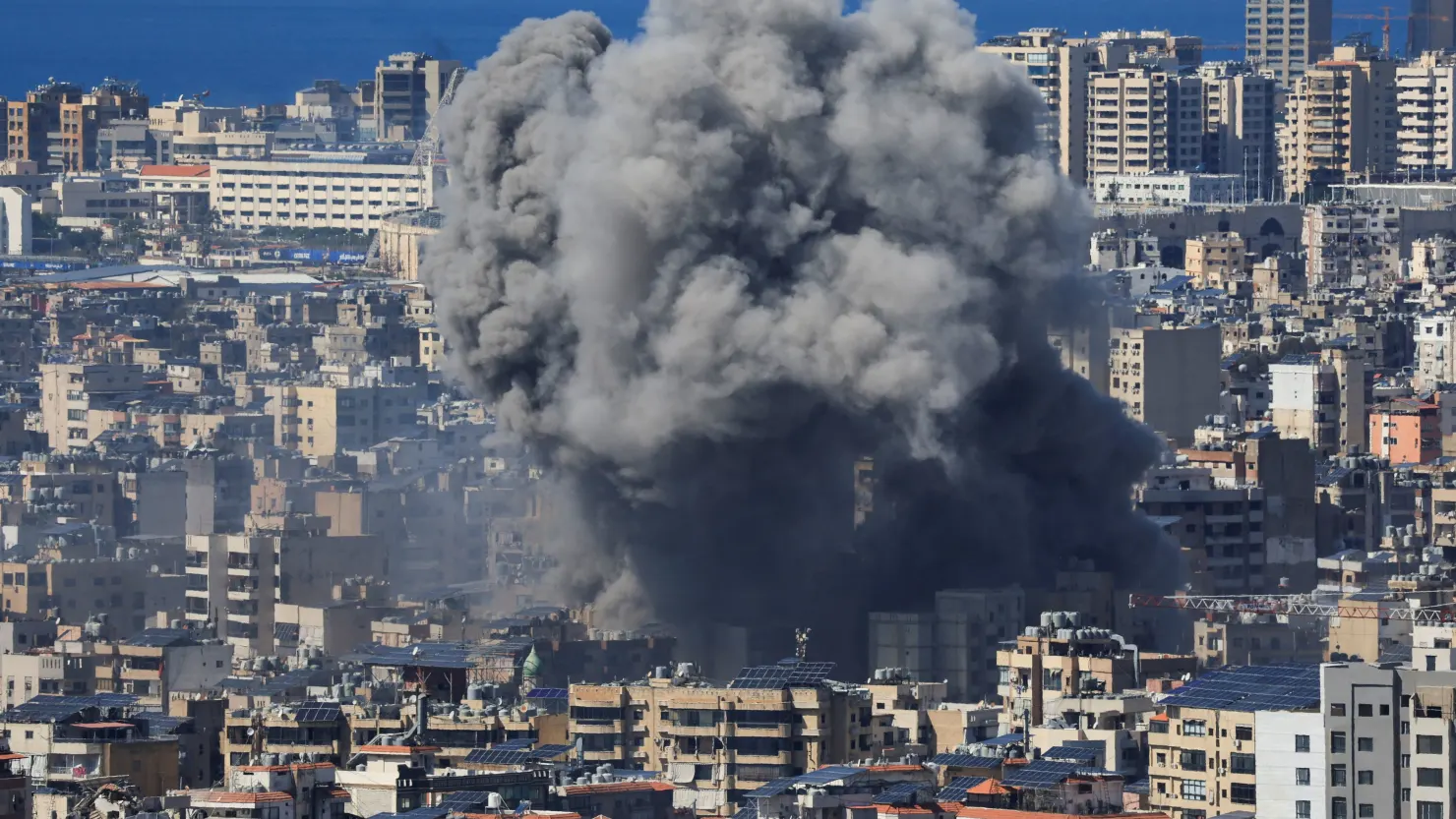
MARKET INSIDER – The fragile ceasefire meant to cool one of the Middle East’s most dangerous flashpoints is already unraveling—at least for Lebanon. As global markets rally on hopes of de-escalation between Iran and Israel, Beirut finds itself caught in a dangerous gray zone, with airstrikes continuing and no clear answer on whether it is even part of the deal.
For investors and policymakers, the ambiguity is more than diplomatic noise. It raises a critical question: can any ceasefire stabilize global energy flows and regional markets if key battlegrounds like Lebanon remain active conflict zones?
Lebanon’s economy minister Amer Bisat has publicly called for urgent clarification, warning that the country is receiving “mixed signals” from all sides. While Pakistan’s Prime Minister Shehbaz Sharif claimed the ceasefire applies “everywhere,” including Lebanon, the office of Israeli Prime Minister Benjamin Netanyahu has explicitly rejected that interpretation. On the ground, Israeli evacuation orders and continued strikes suggest Beirut is not covered—turning a supposed pause into a fragmented, multi-speed conflict.
The humanitarian and economic toll is already severe. More than 1.1 million people—over 20% of Lebanon’s population—have been displaced, according to the United Nations, while over 1,200 have been killed. Economically, the impact is even more alarming: five weeks of conflict have erased an estimated 5–7% of GDP, wiping out a fragile recovery that began in 2025. For a country still reeling from years of financial crisis, the war represents not just a setback, but a near-reset of its economic trajectory.
The broader geopolitical stakes remain high. The ceasefire—reportedly shaped under pressure from U.S. President Donald Trump—helped push oil prices below $100 per barrel and triggered a global market rally. But continued missile activity and unresolved terms, including Iran’s conditional stance on halting operations, signal that the agreement may be more tactical pause than durable peace. Even access through the Strait of Hormuz, a chokepoint for roughly 20% of global oil supply, now comes with caveats tied to Iranian coordination.
What emerges is a fragmented ceasefire architecture—one where different actors interpret the same agreement in conflicting ways. For markets, this creates a dangerous illusion of stability; for Lebanon, it means continued exposure to a war it neither controls nor can escape.
If Lebanon remains outside the ceasefire framework, the implications extend far beyond its borders. Investors betting on a sustained de-escalation may be underpricing the risk of renewed volatility—not just in oil, but across global equities and emerging markets. The uncomfortable reality is this: a ceasefire that doesn’t hold everywhere may not hold anywhere.
