
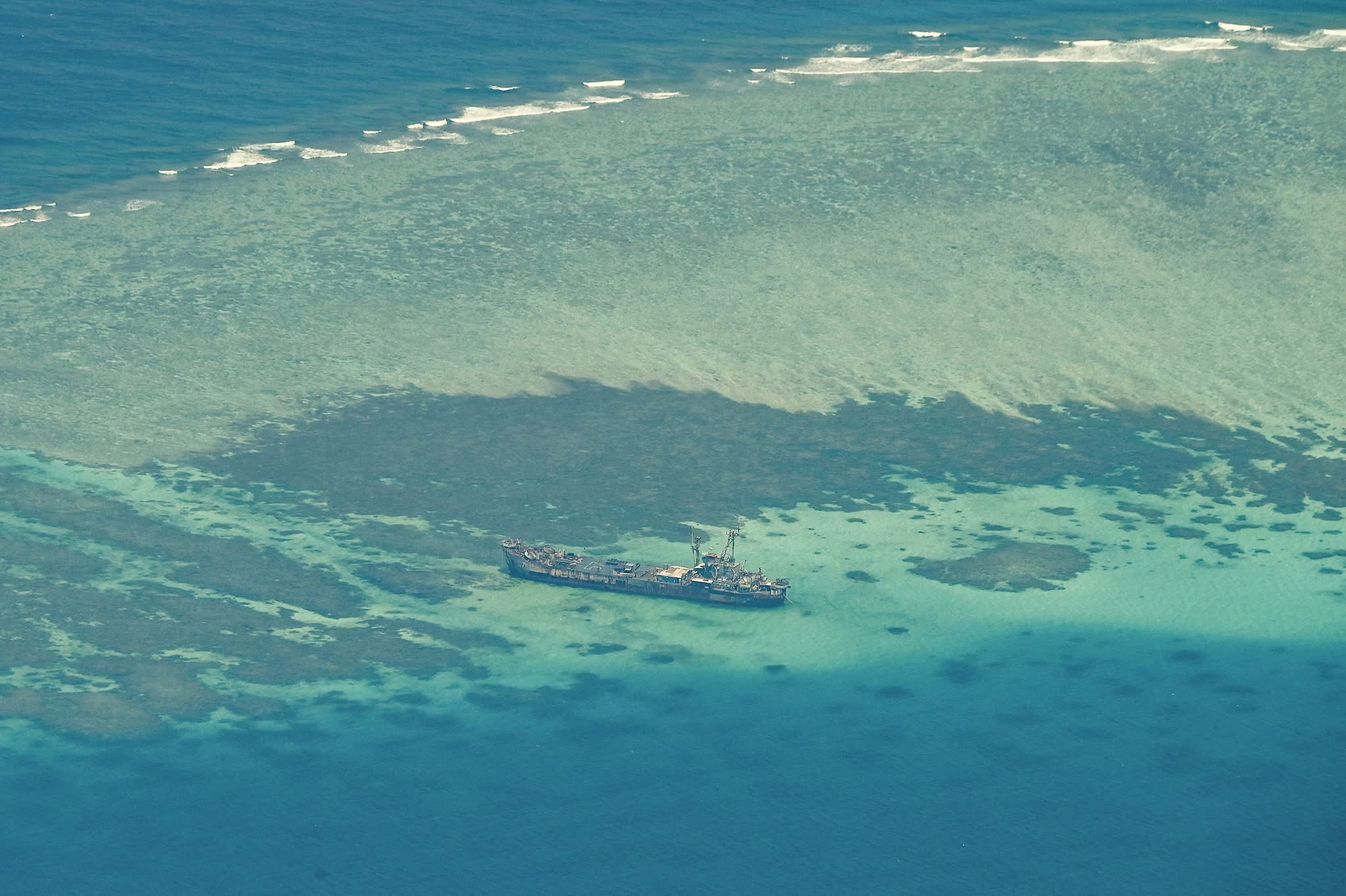
Philippines flags cyanide near disputed reef, raising environmental and geopolitical alarm
MARKET INSIDER – A potential environmental crisis is colliding with one of Asia’s most volatile flashpoints after the Philippines reported finding cyanide aboard Chinese vessels operating in disputed waters of the South China Sea. The discovery, confirmed by laboratory tests, adds a new layer of risk to an already tense maritime standoff—one that carries implications far beyond regional politics, touching global trade routes, marine ecosystems, and investor confidence.
Philippine security officials said on April 13 that samples collected during naval operations near Second Thomas Shoal—known locally as Ayungin Shoal—tested positive for cyanide, a highly toxic substance often associated with illegal fishing practices. Authorities warned that the presence of cyanide could devastate marine biodiversity, weaken coral reef structures, and accelerate ecological degradation in one of the world’s most strategically important waterways.
The South China Sea is not just a geopolitical hotspot; it is a critical artery for global commerce, with roughly one-third of the world’s maritime trade passing through its waters. Any escalation—environmental or military—has the potential to ripple across supply chains, energy markets, and regional stability. The latest findings risk inflaming tensions between Beijing and Manila, even as both sides had recently engaged in high-level talks aimed at exploring joint energy development and confidence-building measures.
China claims sovereignty over nearly the entire South China Sea, overlapping with competing claims from the Philippines, Vietnam, Malaysia, and Brunei. A landmark 2016 ruling by the Permanent Court of Arbitration rejected Beijing’s sweeping claims under international law, but China has consistently dismissed the decision, maintaining its expansive position.
The cyanide allegation, if substantiated further, could shift the narrative from territorial disputes to environmental accountability—an arena where global scrutiny is often sharper and alliances more fluid. For investors and policymakers alike, the question is no longer just about who controls these waters, but whether the ecological cost of that control is becoming too high to ignore.
