
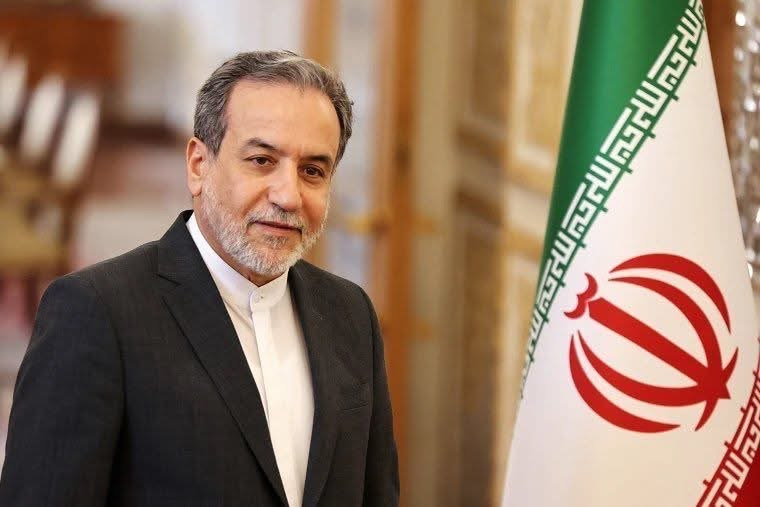
Draft agreement could reopen the Strait of Hormuz, ease oil market fears, and reshape Middle East geopolitics
MARKET INSIDER – A potential peace agreement between the United States and Iran could mark one of the most consequential geopolitical developments of 2026, with negotiators reportedly racing to finalize a memorandum that may be signed as early as Sunday in Geneva. If completed, the deal could end months of military escalation, reopen critical energy shipping routes, and ease fears of a broader regional conflict that has rattled global markets.
The stakes extend far beyond Washington and Tehran. The Strait of Hormuz, a strategic chokepoint responsible for transporting roughly a fifth of the world’s oil supply, has been at the center of the crisis. A formal reopening of the waterway could reduce pressure on energy prices, support global economic growth, and remove a major source of uncertainty for investors already navigating fragile market conditions.
According to sources familiar with the negotiations, the agreement’s language is still being finalized, with Iran insisting that any settlement must also include an end to hostilities in Lebanon, where Israeli forces continue to battle Hezbollah. The memorandum is expected to be signed by U.S. Vice President JD Vance and Iranian Parliament Speaker Mohammed Baqer Qalibaf, with Geneva emerging as the leading venue for the historic meeting.
President Donald Trump signaled confidence that an agreement is imminent, declaring at the White House that the United States had achieved a “great settlement” with Iran. Markets responded immediately. Global equities rallied while oil prices retreated, with Brent crude falling more than 2% as traders priced in reduced geopolitical risk and the prospect of restored energy flows through the Gulf.
However, the reported terms suggest Tehran may have secured many of its core demands. Iranian officials say the draft includes the lifting of restrictions on Iranian oil exports, the release of frozen assets worth billions of dollars, and a halt to military operations across multiple fronts, including Lebanon. Iranian media also reported that Washington could commit to reducing its military presence around Iran and supporting long-term reconstruction efforts for the country’s war-damaged economy.
Notably absent from the current framework are detailed provisions addressing Iran’s nuclear program, one of Washington’s primary objectives throughout years of negotiations. Instead, both sides appear willing to postpone those discussions for future talks in order to secure an immediate ceasefire and stabilize the region.
Despite growing optimism, significant obstacles remain. Israel, which joined the conflict alongside the United States earlier this year, has publicly stated it is not a party to any agreement with Iran. Any commitment to halt military operations involving Hezbollah could create tensions between Washington and Jerusalem, potentially complicating implementation of the deal.
The proposed memorandum arrives at a critical moment for both governments. For Trump, rising gasoline prices and growing voter dissatisfaction have transformed the conflict into a domestic political liability ahead of the U.S. midterm elections. For Iran, sanctions relief and economic reconstruction could provide a vital lifeline after months of warfare and international isolation.
If signed, the Geneva memorandum could become more than a ceasefire agreement—it may represent the beginning of a broader realignment in the Middle East. Yet investors should remember that previous declarations of an imminent breakthrough have failed to produce lasting results. The real test will not be the signing ceremony itself, but whether the agreement can survive the competing interests of Iran, the United States, Israel, and the wider region. For global markets, the difference between a temporary truce and a durable peace could determine the next major move in oil, equities, and risk assets worldwide.
