
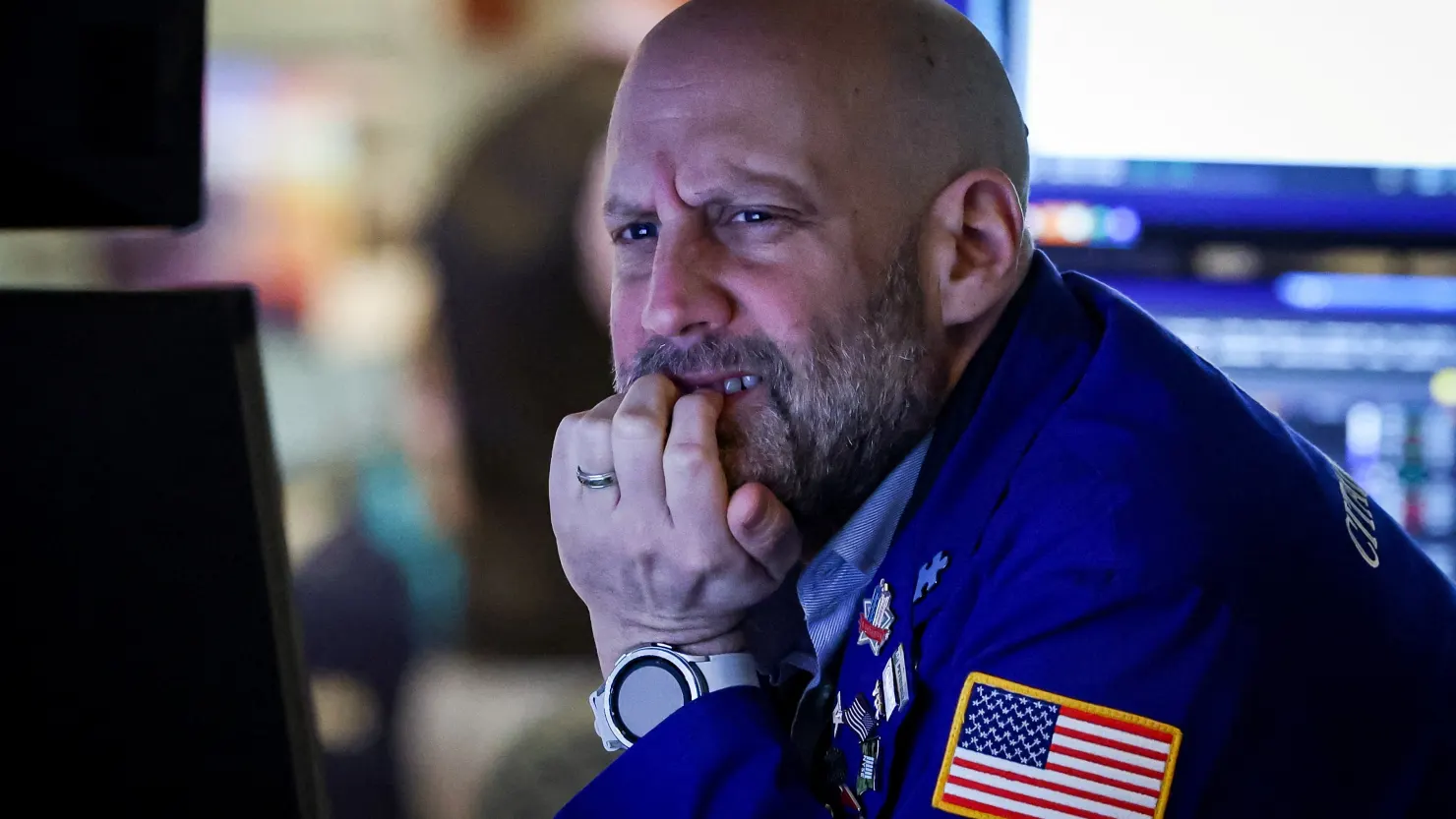
Nasdaq-100 futures drop over 2% while Asia tanks; investors brace for PCE inflation and fresh White House levies
U.S. stock futures opened sharply lower early Wednesday, extending a tech-led sell-off that has left markets on edge over the sustainability of the artificial intelligence boom and the prospect of a new wave of tariffs on major trading partners. Nasdaq-100 futures slumped 2.11%, S&P 500 futures fell 1.2%, and Dow futures shed 318 points, or 0.64%, as traders digested weak guidance from chip designer Ambarella and reports that the White House is preparing fresh levies on China, the European Union, and other partners.
The weakness spilled across Asia overnight. South Korea’s Kospi plunged more than 6%, Japan’s Nikkei 225 dropped 2.88%, and mainland China’s CSI 300 lost 1.49%, while Hong Kong’s Hang Seng and Australia’s ASX 200 also closed lower. Ambarella’s shares cratered 37% in extended trading after the company guided fourth-quarter revenue to just $70–75 million, far below the $112 million analysts had expected—underscoring growing investor scrutiny of AI-related spending and returns.
Wall Street is coming off a mixed session in which the S&P 500 fell 0.5% and the Nasdaq Composite slid 1.5%, even as the Dow gained more than 400 points. The divergence reflects a broader split in the market between companies generating real profits and those still burning cash on data centers and AI infrastructure. “The sell-off in the AI ecosystem predated the news about Huang and Nvidia,” Schwab’s Liz Ann Sonders noted, pointing to lingering concerns over capital expenditure intensity, the gap between the cost of capital and returns on invested capital, and the widening performance gap between profitable and unprofitable segments of the market.
Investors now turn to the October personal consumption expenditures (PCE) price index, due later Wednesday, with economists expecting a 0.3% monthly rise and 3.8% annual rate. Weekly jobless claims arrive a day early ahead of the Thanksgiving holiday market closure. Reports from the Financial Times and Bloomberg indicate the administration plans to unveil a new round of tariffs later in the day, though officials are expected to honor existing trade deals struck over the past two years and apply caps for those partners.
The combination of sticky inflation risks, potential trade friction, and fading enthusiasm for unprofitable AI bets has left markets searching for a floor. If PCE data comes in hotter than expected or tariff details prove broader than anticipated, the recent rotation out of high-multiple tech could accelerate. Conversely, any signal that new levies will be more targeted—or that AI capital spending is beginning to produce clearer returns—could quickly stabilize sentiment. For now, the market is pricing caution: growth expectations are being recalibrated against a backdrop of policy uncertainty that no longer looks temporary.
