
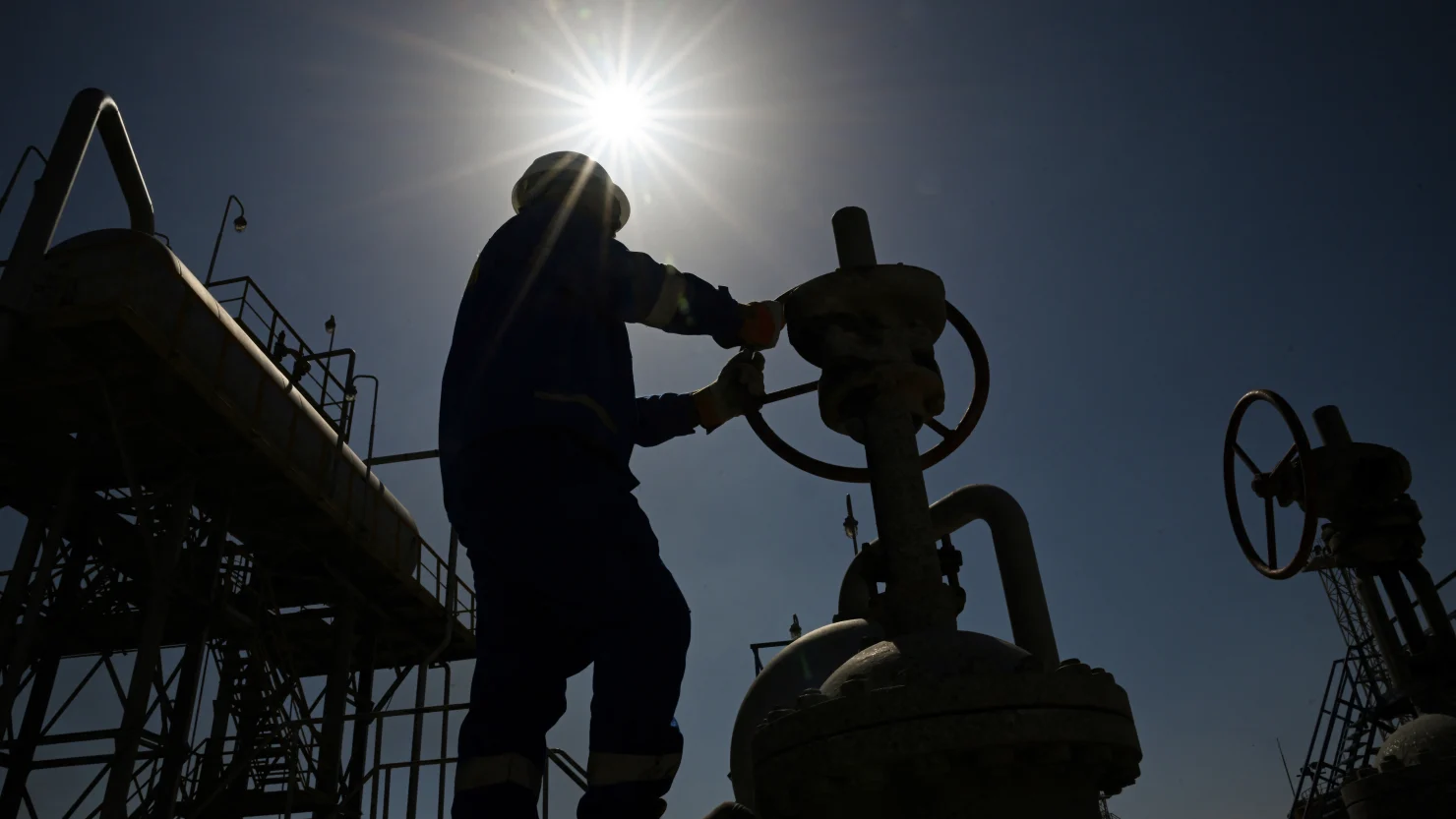
Brent approaches triple digits as tanker attacks and uncertainty over U.S. military action outweigh signs of a possible diplomatic opening.
MARKET INSIDER — Oil prices rose Friday as investors weighed the possibility of renewed U.S.-Iran military escalation following the American midterm elections against efforts to negotiate a settlement. Brent crude approached $100 a barrel, while U.S. West Texas Intermediate moved above $91. Reports of further tanker attacks in the Strait of Hormuz kept supply concerns in focus. Iran’s reported submission of a nuclear proposal through Qatar offered a potential diplomatic opening, but significant disagreements remained over the conditions for talks. The market’s direction now depends heavily on whether negotiations improve shipping security or give way to broader military action.
Key Highlights
- Brent crude futures rose 1.67% to $99.90 a barrel, while WTI gained 1.43% to $91.69 in the reported trading snapshot.
- Rapidan Energy’s Bob McNally estimated an 80% probability of renewed fighting—an analyst assessment, rather than a confirmed military decision.
- Iran reportedly submitted a nuclear proposal through Qatar, but attached conditions that complicate the path to negotiations.
Oil prices reflect competing scenarios
Friday’s gains show investors continuing to price the possibility of disrupted Middle Eastern supply even as diplomatic efforts remain active.
The conclusion of the U.S. midterm elections has sharpened attention on Washington’s next steps. However, the election timetable alone does not establish that a new offensive has been authorized.
Oil can respond before physical supply changes. A higher perceived probability of attacks on shipping or energy infrastructure can lift prices as buyers and traders reassess the reliability of future deliveries.
Diplomatic progress can produce the opposite reaction by reducing expectations of disruption. That leaves the market vulnerable to abrupt changes in direction as new statements and reports emerge.
McNally sees a high risk of renewed fighting
Bob McNally, founder and president of Rapidan Energy Group, told CNBC’s “Squawk Box Asia” that he assigned an 80% probability to military fighting resuming. He said both Brent and WTI could move above $100 a barrel.
His assessment rests on a fundamental disagreement over Iran’s nuclear capabilities. McNally argued that President Donald Trump is determined to prevent Iran from obtaining a nuclear weapon, while Tehran remains unwilling to make the concessions Washington seeks.
That is his interpretation of the negotiating gap. The probability estimate is neither a market-implied measure nor an official assessment, and the price forecast depends on how events unfold.
The original report also identified Lombard Odier’s chief economist Samy Chaar and head of investment strategy Luca Bindelli as sharing concerns about escalation. It did not establish that they assigned the same probability as McNally.
Iran’s proposal comes with conditions
A senior Iranian official told Reuters on Thursday that Tehran had sent a nuclear proposal to Washington through Qatar. The official said the United States was reviewing it, but provided no detailed terms.
The same account said discussions would occur only after Washington met seven Iranian demands. These include sanctions relief, the release of frozen assets and war reparations. Washington, meanwhile, has said nuclear issues must form part of initial negotiations.
The disagreement therefore concerns both the substance of a settlement and the order in which concessions and negotiations would take place.
Submitting a proposal keeps diplomacy active. It does not establish that the parties have accepted a common framework or agreed on measures to restore safe passage through Hormuz.
For oil markets, a credible sequence of reciprocal steps would be more consequential than the existence of another proposal alone.
Tanker attacks keep physical supply risks in focus
Iran reported three additional attacks on oil tankers in the Strait of Hormuz on Thursday, according to the supplied report.
Those incident claims should remain attributed to Iran. The report also cited UK Maritime Trade Operations data as indicating a high frequency of vessel attacks, although it did not specify the comparison period behind its description of activity as near-record.
The commercial concern is straightforward: continued attacks can disrupt voyage schedules, discourage vessel operators and raise the cost of transporting crude and refined products.
A tanker incident does not automatically imply a large reduction in oil production. Its wider impact depends on damage, cargo losses, route availability and whether other operators change their behavior.
Repeated incidents, however, can make supply less dependable even when producers retain the capacity to pump oil.
What this means for businesses and investors
A sustained rise in oil would increase cost pressure on transport companies, manufacturers and energy-importing economies. The effect would vary with exchange rates, fuel contracts and hedging arrangements.
For Asian buyers, reliable delivery is as important as the headline crude price. Shipping delays and higher transport costs can reduce the benefit of any temporary decline in benchmark prices.
Energy producers may benefit from higher selling prices, but those operating near the conflict also face risks to facilities and export routes. Higher oil therefore does not translate into uniform gains across the sector.
The next meaningful signals will be concrete responses to Iran’s proposal, confirmation of any change in military operations and evidence that vessel transit conditions are improving or deteriorating.
Until those signals become clearer, Friday’s rise represents a reassessment of risk rather than proof that either escalation or a diplomatic breakthrough is inevitable.
