
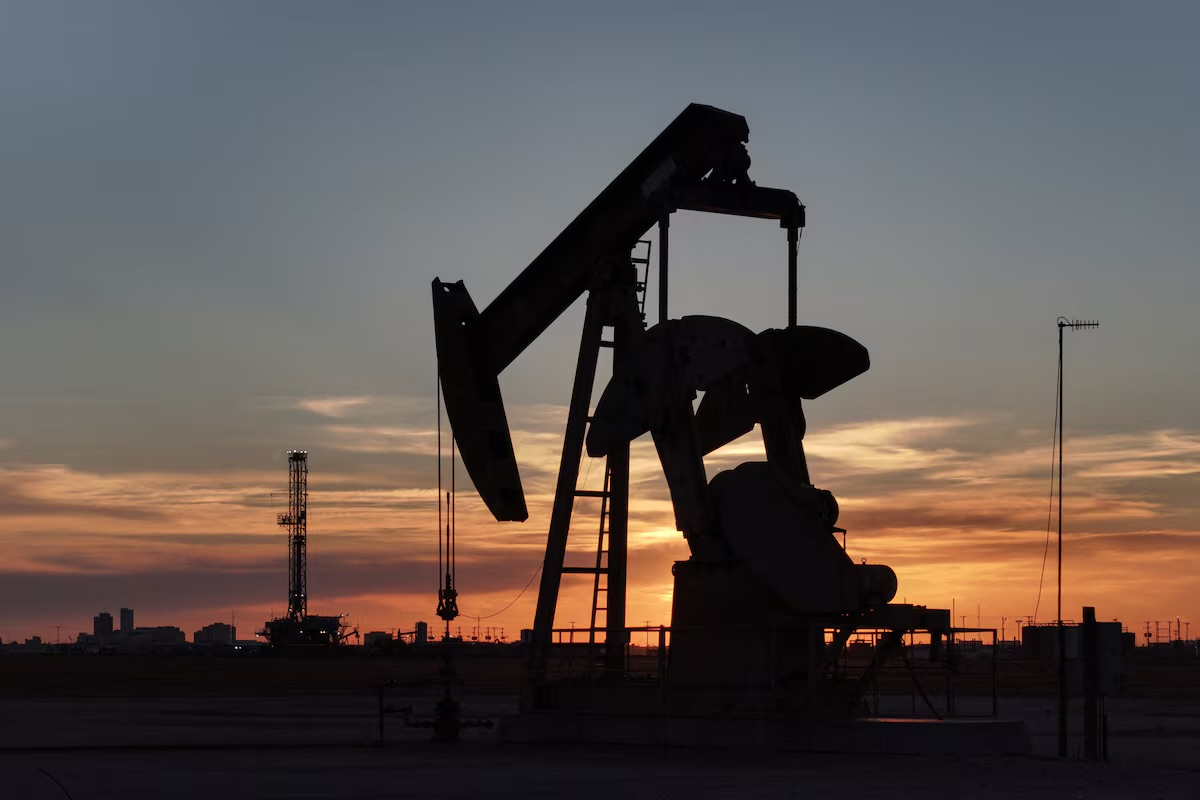
Brent and WTI extended their retreat as direct attacks remained suspended, but restricted shipping through the Strait of Hormuz and continuing regional tensions kept supply risks elevated.
MARKET INSIDER — Oil prices fell to their lowest levels in more than a week on Tuesday as a pause in direct US-Iran attacks raised hopes that the Middle East conflict could move toward de-escalation.
Brent crude declined to around $87.86 a barrel, while US West Texas Intermediate traded near $82.24. Both benchmarks have fallen sharply since Washington suspended its airstrikes, reversing part of the geopolitical premium accumulated during the conflict. However, the arrangement is not a formal ceasefire, and oil shipments through the Strait of Hormuz remain severely constrained.
Key highlights
- Brent crude fell to around $87.86 a barrel, its lowest level in more than a week. WTI declined to approximately $82.24 after also recording steep losses on Monday.
- Direct US-Iran attacks remained paused, but Tehran has not agreed to a formal ceasefire. Iran denied requesting renewed negotiations with Washington.
- Oil exports through the Strait of Hormuz remain significantly below normal levels. Continued threats to Red Sea shipping and Saudi energy infrastructure limit the potential decline in oil prices.
- Lower crude prices could ease inflation and import-cost pressures across energy-dependent Asian economies.
Oil retreats as immediate escalation fears ease
The latest decline followed a steep sell-off on Monday, when Brent fell 8.7% and WTI dropped 7.5% after the United States unexpectedly suspended its attacks on Iran.
Tehran has indicated that it will refrain from launching attacks for as long as Washington also holds its fire. The reciprocal restraint has reduced the immediate threat of another escalation involving Iranian energy facilities, Gulf infrastructure or US military positions.
However, neither side has announced a negotiated ceasefire, timetable or enforcement mechanism. Iran has also rejected reports that it agreed to a 10-day truce.
Iranian Foreign Ministry spokesperson Esmaeil Baghaei said Tehran had not requested the resumption of negotiations with Washington, underlining the gap between a temporary military pause and an active diplomatic settlement.
The market is therefore pricing a lower probability of an immediate escalation rather than the end of the conflict, Reuters reported.
Why did the United States suspend its strikes?
President Donald Trump has said discussions with Iran were progressing but warned that military action could resume if diplomacy failed.
Media reports have also suggested that senior US officials raised concerns about the effectiveness of further strikes, available targets and pressure on American munitions inventories. Trump rejected suggestions that the military was running short of weapons, saying the United States had sufficient ordnance to continue operating.
These accounts indicate that the decision may reflect a combination of diplomatic considerations and military constraints. The reported concerns about weapons stocks have not been fully detailed or independently confirmed by the Pentagon.
For oil traders, the reason for the pause matters less in the immediate term than its durability. A diplomatic pause could gradually reduce the geopolitical premium in crude. A tactical pause followed by renewed attacks would probably produce another sharp price reversal.
Strait of Hormuz remains the decisive supply risk
The Strait of Hormuz continues to be the most important variable for the global oil market. Before the conflict, approximately one-fifth of global petroleum consumption moved through the narrow waterway connecting the Persian Gulf with the Arabian Sea.
Shipping activity remains far below normal levels despite the pause in direct attacks. Reuters reported that crude exports through the strait had fallen by roughly half compared with the preceding week.
Iran has not announced any change in its position on the waterway, while commercial shipping companies remain cautious about resuming normal operations. Risks to vessels, higher insurance premiums and uncertainty about port access could continue restricting flows even without fresh military strikes.
This means falling oil prices should not be interpreted as evidence that the physical supply situation has returned to normal. The market is responding primarily to a reduction in the probability of further disruption.
Red Sea conflict keeps a floor under crude prices
Risks are also building along the Red Sea, creating a second potential disruption point for global energy trade.
Yemen’s Iran-aligned Houthi movement has claimed attacks against Saudi oil infrastructure, including facilities connected to the kingdom’s East-West pipeline and the Red Sea export terminal at Yanbu. Saudi Arabia has increasingly relied on that route to bypass the Strait of Hormuz.
An extended disruption affecting both Hormuz and the Red Sea would leave producers with fewer practical alternatives for transporting crude to international buyers.
The continuing threat explains why oil remains above pre-conflict levels despite the steep two-day retreat. It also reinforces the view that a lasting decline will require improvements in maritime security, rather than only a pause in direct US-Iran exchanges, according to the Reuters
Asian refiners remain cautious
Evidence of continuing supply concerns can be seen in the procurement decisions of Asian refiners.
India’s Mangalore Refinery and Petrochemicals sought crude through a tender requiring that cargoes avoid both the Strait of Hormuz and the Red Sea. The precaution illustrates how buyers are adjusting supply chains even as futures prices decline.
Asia is particularly exposed because China, India, Japan, South Korea and several Southeast Asian economies depend heavily on imported energy. Higher shipping and insurance costs can continue feeding into refinery expenses even if benchmark crude prices fall.
A sustained decline in oil would nevertheless provide substantial relief. Lower energy costs could improve current-account balances, reduce pressure on currencies and slow consumer inflation across importing economies. Airlines, manufacturers, logistics companies and petrochemical producers would also benefit.
For central banks, cheaper oil could weaken the case for additional interest-rate increases prompted by the conflict’s inflationary effects.
What investors should watch next
The central question is whether the current pause develops into a diplomatic process or merely allows both sides to regroup.
Investors should closely monitor shipping volumes through Hormuz, insurance rates for Gulf cargoes and any change in Iran’s control over the waterway. Renewed negotiations involving the United States, Iran, Oman or other regional intermediaries would provide stronger evidence of genuine de-escalation.
Saudi energy infrastructure and Houthi activity around the Red Sea are equally important. An attack that materially reduces Saudi exports could offset the benefits of the US-Iran pause and quickly restore oil’s geopolitical premium.
US inventory figures will provide another indication of whether the conflict is tightening physical supply. Market surveys suggest American crude stockpiles may have declined, potentially limiting further price losses.
Oil’s retreat reflects meaningful relief from the risk of immediate escalation. Until normal shipping resumes and Washington and Tehran establish a formal diplomatic framework, however, the market will remain vulnerable to abrupt reversals.
