
Proposed agreement may reopen Hormuz, ease sanctions, and trigger major energy market shifts
MARKET INSIDER – A proposed draft agreement between the United States and Iran is rapidly emerging as one of the most consequential geopolitical developments for global markets this year, with potential ripple effects across oil prices, inflation, shipping routes, and investor sentiment worldwide.
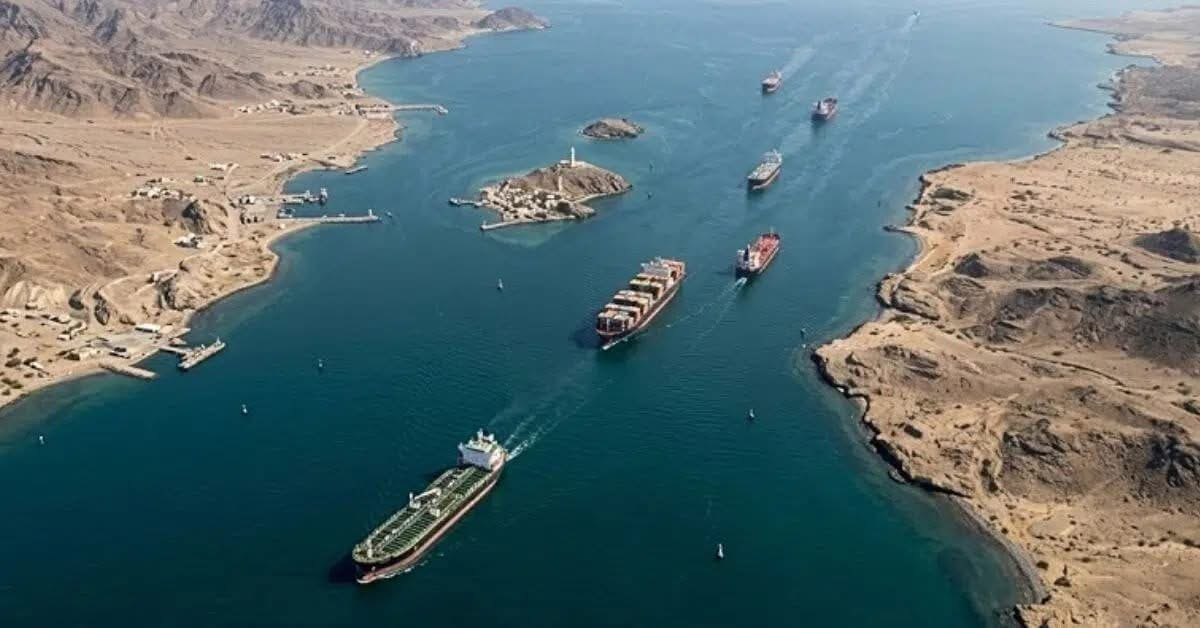
The reported framework, while still unresolved in key areas, could ease tensions around the strategically vital Strait of Hormuz — a narrow waterway through which roughly one-fifth of the world’s oil supply passes. Even the possibility of progress has already captured the attention of energy traders, hedge funds, policymakers, and multinational corporations bracing for another major shift in the global commodities landscape.
According to reports circulating among regional and diplomatic sources, the draft memo includes reopening the Strait of Hormuz to more stable commercial activity, partial removal of U.S. restrictions on Iranian ports, and discussions around targeted sanctions relief. Another critical component reportedly involves international oversight or disposal of Iran’s enriched uranium stockpile, alongside fresh negotiations tied to nuclear activity and regional security guarantees.
The implications extend far beyond Tehran and Washington. Lower geopolitical risk in the Persian Gulf could reduce upward pressure on crude oil prices at a time when central banks remain locked in a global battle against inflation. Brent crude and major energy-linked assets have become increasingly sensitive to any signs of escalation or de-escalation in the Middle East, particularly after repeated disruptions tied to regional conflicts and shipping security concerns.
For financial markets, the stakes are equally high. A meaningful thaw in U.S.-Iran relations could improve supply expectations in global energy markets, potentially easing fuel costs for major importing economies across Asia and Europe. It may also reshape capital flows into emerging markets, airline stocks, shipping companies, and industrial sectors heavily exposed to energy volatility. Investors are watching closely for signals from the White House, Iran’s leadership, and Gulf allies, many of whom have competing strategic interests in the outcome.
Yet despite reports that the framework is “largely negotiated,” significant political and diplomatic obstacles remain. Hardline factions on both sides, unresolved nuclear verification issues, and broader regional rivalries could still derail any final agreement. Markets have repeatedly underestimated how quickly Middle East negotiations can collapse — or unexpectedly accelerate.
The bigger story may be what this reveals about the next phase of global power dynamics. In an era where wars, sanctions, and trade routes increasingly dictate inflation and investment strategy, diplomacy itself is becoming a market-moving asset class. For investors, the question is no longer whether geopolitics matters — but whether portfolios are prepared for how fast the geopolitical map can change.
