
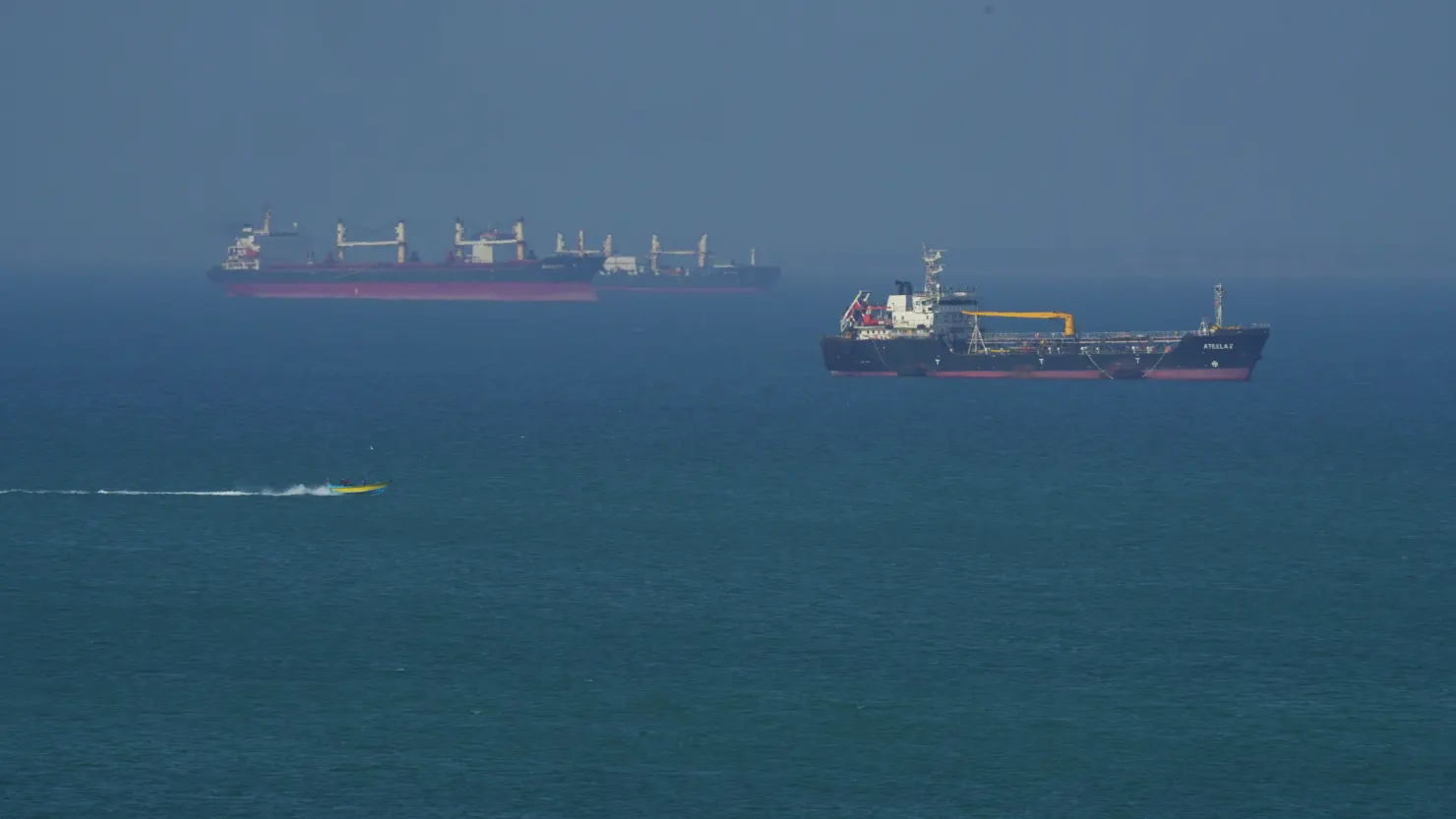
Tehran reportedly secured U.S. recognition of future maritime service fees in the Strait of Hormuz, a move that could alter global trade economics
MARKET INSIDER – Just days before a landmark U.S.-Iran agreement is expected to be signed, Tehran has reportedly inserted a last-minute provision that could have far-reaching consequences for global shipping, energy markets, and international trade. According to Iranian state-affiliated news agency Fars, the revised framework gives Iran and Oman authority over future “maritime services” in the Strait of Hormuz, potentially paving the way for transit-related fees on commercial vessels passing through one of the world’s most strategically important waterways.
The reported change matters far beyond the Middle East. Roughly one-fifth of the world’s oil supply and a significant share of global liquefied natural gas exports transit through the Strait of Hormuz. Any new cost structure affecting vessel movements could eventually influence shipping rates, energy prices, supply chains, and inflation dynamics across Asia, Europe, and North America.
Citing sources familiar with the negotiations, Fars reported that the final memorandum was revised during the closing stages of talks to more explicitly recognize the joint role of Iran and Oman in managing maritime services within the strait. Iranian officials reportedly view Washington’s acceptance of the term “maritime services” as a significant concession, arguing that it implicitly acknowledges the legitimacy of future service-related charges linked to navigation, safety, environmental protection, and insurance support.
Under the reported arrangement, Iran would allow ships to transit the waterway without charges for an initial 60-day period. After that exemption expires, Tehran intends to develop a framework that could generate revenue from commercial traffic passing through the corridor. Iranian sources argue that such fees would support economic development and fund maritime safety and environmental programs, although details regarding pricing, enforcement, and international compliance remain unclear.
The agreement also underscores the growing strategic role of Oman, whose cooperation is reportedly considered essential to any long-term governance framework for the strait. Analysts note that Muscat’s involvement could provide additional legitimacy and stability to any future maritime management mechanism, while reducing the risk of unilateral actions that might disrupt international shipping.
Neither Washington nor international shipping organizations have publicly confirmed the reported provisions, and the full text of the agreement has not yet been released. U.S. President Donald Trump has stated that a deal has been completed to end the 107-day conflict and reopen the Strait of Hormuz, while Iranian Deputy Foreign Minister Kazem Gharibabadi has indicated implementation would begin only after the expected signing ceremony on June 19 in Geneva.
If confirmed, the provision could mark a historic shift in how strategic maritime chokepoints are governed. For decades, markets have focused on the risk of Hormuz being closed. The next debate may be far more nuanced—and potentially just as consequential: who gets paid when it stays open.
